
Preventing Power Surges: Essential Strategies for Facilities Managers
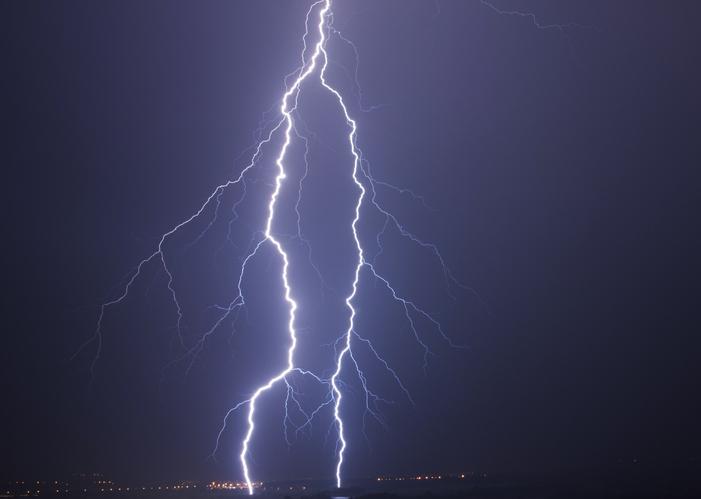
Power surges are one of the most frequent yet least understood risks in building operations. They typically strike without warning and cause damage long before a problem becomes visible. Many facilities managers discover the effects only after equipment begins malfunctioning, circuits burn out, or unexpected downtime occurs. As buildings become more reliant on sensitive electronics and interconnected systems, understanding how and why surges occur has become increasingly important to maintaining reliable operations.
Although a surge protection device is an essential tool in preventing equipment damage, it’s equally important to understand the conditions that lead to surges in the first place. Whether your facility relies on automated HVAC systems, industrial machinery, lighting controls, or digital infrastructure, voltage spikes can compromise performance and shorten the lifespan of critical assets. This guide breaks down the causes of surges, how surge protection works, and the practical steps you can take to keep your building safe and efficient.
Understanding Power Surges
What Causes Power Surges?
Power surges occur when electrical voltage briefly rises above normal levels, often lasting only microseconds but reaching intensities strong enough to damage equipment. These spikes can come from lightning strikes, utility grid switching, or sudden load changes from large motors. Even in stable power environments, internal systems like compressors, elevators, and industrial machinery can generate their own transient surges.
These fluctuations have wide-ranging consequences. Sensitive electronics, control boards, and automated systems are especially vulnerable because they operate within strict voltage limits. Small, repeated surges can gradually degrade components, leading to unexplained shutdowns or reduced efficiency. Major surges—particularly those triggered by lightning—can cause immediate, costly damage and disrupt operations across multiple building systems.
How Do Surge Protection Devices Work?
A surge protection device (SPD) serves as a critical safeguard by diverting excess voltage away from equipment and safely directing it to ground. Unlike circuit breakers, which respond to overloads or short circuits, SPDs react within microseconds to stop transient spikes. They use components like metal-oxide varistors (MOVs) or gas discharge tubes to absorb or redirect dangerous energy before it reaches sensitive systems.
By minimizing the surge energy that enters electrical circuits, SPDs help prevent failures in automation controls, security systems, lighting networks, and industrial machinery. Their effectiveness depends on correct selection and installation, including factors such as response time, discharge capacity, and proper grounding. In most facilities, installing SPDs at multiple points in the electrical system provides broader, more dependable protection.
Why Surge Protection Should Be a Priority
The financial impact of power surges is often overlooked. Lightning-related events alone cause millions in commercial property losses each year, frequently resulting in damaged electrical infrastructure or sudden system shutdowns. Facilities that rely heavily on electronics—such as servers, programmable logic controllers (PLCs), automated lighting, and robotics—face higher risks because even minor surges can gradually weaken critical components.
Today’s buildings are more susceptible than ever due to the widespread use of digital and connected devices. Smart sensors, advanced HVAC controls, and integrated automation all depend on stable voltage and constant communication. A single surge can disrupt several systems at once, triggering cascading failures that halt operations or compromise security. This level of interconnectedness makes surge protection essential, not just optional, in effective facility risk management.
Practical Tips to Prevent Power Surges in Your Facility
Preventing surge-related damage requires a combination of proper equipment placement and consistent electrical system maintenance.
- Use a layered surge protection approach by installing a surge protection device at the service entrance to block major external surges, then adding additional SPDs on distribution panels to protect critical sub-systems, and finally using point-of-use protection for sensitive equipment.
- Maintain a reliable grounding system, ensuring all grounding conductors are secure, bonding connections are intact, and the system meets local electrical codes.
- Conduct annual grounding tests, especially after renovations or electrical upgrades, to confirm low-resistance pathways are intact.
- Address improper grounding immediately, as it is a leading cause of SPD failure and can greatly reduce overall surge protection effectiveness.
Reducing Internal Sources of Surges
Not all surges originate from the utility grid; many are generated within the building itself. Large motors and heavy machinery, such as refrigeration units, pumps, or industrial tools, can create sudden load changes that send voltage spikes through connected circuits. Even systems used daily—like elevators, compressors, or workshop equipment—can introduce internal disturbances when they cycle on and off. These surges may be small individually but can accumulate over time, gradually degrading sensitive electronics.
Mitigating these internal risks involves both equipment maintenance and operational planning. Soft-start mechanisms, load balancing, and timely replacement of aging electrical components all help stabilize voltage levels. Facilities managers should also ensure that wiring is properly sized and connections are secure, as loose or corroded terminals can intensify surge activity. Regular inspections, particularly for older buildings, help identify potential problem areas before they escalate into serious issues.
Routine Electrical Inspections and Monitoring
Routine inspections are essential for maintaining electrical safety and minimizing surge-related damage. Over time, heat, vibration, and environmental factors can weaken connections inside service panels and equipment enclosures, creating conditions that make surges more dangerous. Infrared scanning is a useful technique for identifying hot spots or overloaded circuits, while visual inspections can reveal deteriorated insulation, corroded parts, or wiring that no longer meets safety standards.
During these inspections, it is important to check the status indicators on all surge protection devices. Many SPDs include visual or electronic indicators that show whether the device is still functional or has reached the end of its useful life, and manufacturers such as CHINT often design these indicators to be easy to interpret during routine checks. Because certain components inside SPDs degrade over time—especially after repeated surge events—replacements may be necessary even if no visible damage is present. Establishing a documentation system to track installation dates, maintenance records, and SPD replacements ensures long-term facility protection.
Understanding SPD Ratings and Specifications
When selecting a surge protection device, key performance parameters determine how well it can handle surge events. The table below summarizes the most important ratings to consider when comparing SPDs:
|
Rating |
Meaning |
Importance |
|
Uc |
Maximum continuous operating voltage |
Helps prevent premature failure during normal operation |
|
In |
Nominal discharge current |
Indicates ability to manage regular surge activity |
|
Imax |
Maximum discharge current |
Measures capacity to handle large or rare surges |
|
Up |
Voltage protection level |
Lower values offer better protection for sensitive equipment |
|
Response Time |
Speed of reaction to surges |
Faster response reduces risk of internal damage |
Compliance with international standards is another important factor. Devices designed according to recognized guidelines for AC or DC systems undergo testing to ensure durability and proper performance. For facilities that integrate renewable energy, energy storage, or mixed AC/DC infrastructures, selecting the correct SPD type ensures protection across every part of the electrical system.
Conclusion
Power surges are an unavoidable part of modern electrical systems, but their impact can be significantly reduced through proper planning and preventive measures. Understanding how a surge protection device works, recognizing where surges originate, and applying a layered protection strategy all contribute to a safer, more resilient facility. Strong grounding practices, regular inspections, and attention to internal surge sources further strengthen your building’s defenses against voltage-related damage.
By incorporating these strategies into your facility management plan, you protect critical assets, reduce downtime, and extend the lifespan of essential equipment. Preventing surge-related failures is far more effective—and far less costly—than repairing them after they occur. Taking proactive steps now ensures that your building remains efficient, reliable, and prepared for whatever electrical challenges arise.