Introducing the leading AI-native SecOps platform built for both managed and self-service SOCs - delivering autonomous speed, precision, and control at scale.
Software Composition Analysis (SCA) services are automated tools that scan codebases to find, identify, and manage open-source components, detecting security vulnerabilities (CVEs), licensing issues, and outdated libraries. They help teams maintain secure, compliant software by creating a software bill of materials (SBOM) and shifting security left in the development lifecycle (DevSecOps). Top providers include Mend.io, Snyk, and Checkmarx.
At Black Hat last year, Garrett Hamilton asked Nicole Perlroth what she wanted the next five years of security to look like. She didn't give the optimistic answer. She said she was genuinely terrified. Zero-day exploitation at scale, fully automated. Attackers turning AI into infrastructure of their own. A year isn't five. But it's enough to check the tape.
If you’re like our team, the morning after the Claude Mythos announcement brought more questions than answers. Among them: “Serious question. Do customers still need SAST?” It’s a fair question if you stop at the headline. Claude Mythos, Anthropic’s frontier AI model currently gated to vetted partners through Project Glasswing, had autonomously identified thousands of zero-day vulnerabilities across major operating systems and browsers . No rule books, no checklists.
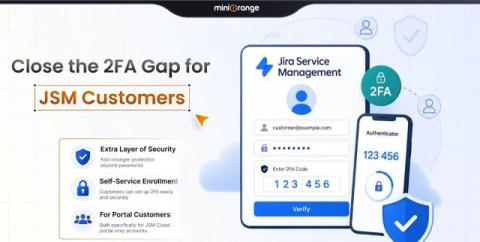
Over 93% of organizations are reportedly experiencing two or more identity-related attacks a year due to weak passwords, and at this critical level, organizations are looking out for an additional layer of security with biometric authentication to verify their users. Multi-factor authentication plays an integral role in verifying user identities.
Data breaches hit headlines weekly, and phishing scams evolve faster than we can patch them. Amongst this, passwords feel like relics from the dial-up era. Enter passkeys, a modern authentication solution, and a game-changing shift in authentication that's already being made available by giants like Amazon, Google, and Sony Interactive Entertainment. Passkeys promise phishing-resistant, frictionless logins without the endless "password123?" frustration.
With the growing vulnerability of password-only security systems, your applications, devices, and operating systems would need an authentication system that creates foolproof security. Moreover, as vulnerabilities in cyber ecosystems evolved and password breaches became increasingly common, organizations needed stronger authentication methods to protect sensitive data and user accounts.
Security teams are dealing with a fundamentally different operating environment than they were a few years ago. AI-assisted development is rapidly pushing more code and infrastructure into production, and according to Datadog’s 2026 State of DevSecOps report, 40% of running services have an exploitable vulnerability.
AI is already incorporated into most of your clients’ workflows. Employees are using chatbots and other built-in GenAI tools to draft emails, analyze data and automate work. The challenge? Much of that activity is happening outside your formal security controls, and that creates a new risk layer. For managed service providers (MSPs), the question is no longer whether to secure AI adoption for their clients, but how to evaluate the right AI security solution.