

Security | Threat Detection | Cyberattacks | DevSecOps | Compliance

AI meets ransomware: a new cyber threat

AI is powering a new wave of ransomware. Learn how Avast stopped FunkSec's attack and how you can protect your files from evolving cyber threats. Ransomware has long been one of the most feared cyber threats on the internet, and for good reason. It’s fast, disruptive, and increasingly effective at locking up your most important files and demanding payment in exchange for their return. It’s not just businesses that get hit, either.


Malicious Connectors Potentially Impact Hundreds of Millions of Microsoft 365 Users

Most Microsoft 365 users aren’t aware of this recently growing serious email threat vector. I have been teaching about the risks of Microsoft email rules, forms and connectors on email clients and servers for decades. Both can be created by an attacker learning your email address and logon credentials (e.g., password or MFA codes).

Anubis and the Death of Data: A New Era of Ransomware Operations

Ransomware activity continues to increase, and Bitsight data illustrates the scale of this growth. In our State of the Underground 2025 report, Bitsight TRACE observed a nearly 25% rise in unique ransomware victims publicly listed on leak sites. Additionally, the number of leak sites operated by ransomware groups grew by 53%.

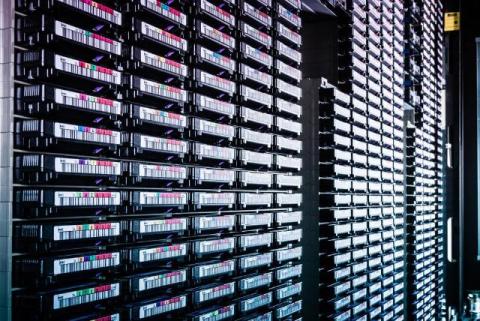
Enterprise SAN Data Recovery: Protecting Critical Systems from Catastrophic Loss

The current world of business is a world of the digital age, where enterprise operations are greatly dependent on the constant availability of data. With the growth of organizations ' storage facilities, Storage Area Networks (SANs) have worked as the medium of fast, scalable, and reliable access to data. Nevertheless, SAN systems are pretty dangerous when they break down (be it a system hardware trouble, hacking, or human negligence), as the consequences may be disastrous.

Ransomware As A Service: Understanding the Risks

As companies invest in cybersecurity to avoid fines and ransomware payouts, criminals are doing the opposite by turning ransomware into a full-blown business. With ransomware as a service (RaaS), cybercriminals are building revenue streams by selling ransomware kits online. This model doesn’t require technical skills or deep knowledge of hacking.

AURA Stealer: A Crude Clone of LummaC2 - Technical Analysis and Threat Breakdown

AURA Stealer is a newly emerging information-stealing malware that presents itself as a streamlined alternative to more established stealer families such as LummaC2. Marketed as a carefully engineered solution, AURA is positioned by its developers as purpose-built for efficiency and results—eschewing unnecessary complexity in favor of a focused and modular design.

ToxicPanda: The Android Banking Trojan Targeting Europe

ToxicPanda is a banking trojan designed to infiltrate your mobile device, stealing financial details by targeting banking & financial apps. The malware keeps evolving, with the developers behind it being quick to add new features, such as overlaying pin & pattern codes, overlaying credential inputs for specific banking apps, allowing cybercriminals to remotely take control of compromised bank accounts and initiate unauthorized money transfers.

XWorm V6: Advanced Evasion and AMSI Bypass Capabilities Revealed

In September 2024, Netskope Threat Labs reported on the XWorm malware and its infection chain. We revealed new XWorm command and control (C2) commands and dissected its notable features. After nearly a year of tracking this malware, we discovered a new version (version 6.0) in the wild, which introduced new features such as process protection and enhanced anti-analysis capabilities.

Ransomware Detection and Response: Strengthening Your Cyber Resilience

In 2024, the average ransom payment surged to nearly $4 million, more than double the previous year, while over 70% of ransomware incidents involved data encryption (Source: The Latest Ransomware Statistics & Trends ). These figures underscore the growing scale and sophistication of ransomware threats. As attackers refine their tactics and target critical infrastructure, organizations must adopt a more strategic and proactive approach to detection and response.