Security | Threat Detection | Cyberattacks | DevSecOps | Compliance

Securing Financial Portfolios Against Modern Malware

The rapid migration of wealth management to cloud platforms introduces significant convenience for private investors. Managing a diverse set of assets now requires constant interaction with web applications. Digital dependency exposes capital to aggressive groups operating malicious software. Hackers regularly build malicious tools targeting financial balances and personal identification records. Standard defenses frequently fail against targeted threats. Protecting private capital requires a shift toward active defense measures.

Ransomware Detection: Master Modern Strategies 2026

In 2024, ransomware was publicly disclosed in more than 5,600 attacks worldwide, with over 2,600 victims in the United States alone. The same reporting says the FBI's 2024 IC3 report logged 3,156 ransomware complaints, an 11.7% increase from the prior year, which is a useful reminder that this isn't a niche malware problem. It's a persistent operational risk that keeps showing up across sectors and environments (Fortinet's ransomware statistics summary).

The Rise of Pony Malware and What it Means for Organizations

Pony, also recognized as Fareit or Siplog, operates as an information stealer and loader, serving as malware designed to gather data from compromised systems and facilitate the installation of other malicious programs. This particular virus made its initial appearance in the wild in 2011, primarily targeting users in Europe and North America.

Ransomware Attacks: Evolution, Impact, and Recent Cases

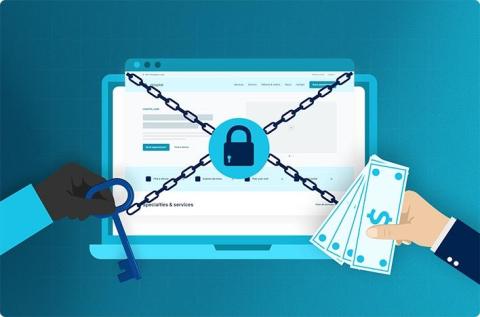
Ransomware is a type of malware that blocks access to a victim’s system or network. Once the attack runs, it can encrypt selected files, lock systems, or disrupt access to business operations. Then, they demand a ransom in exchange for restoring access or providing a decryption key. In many cases, ransomware encrypts files so the victim cannot use them. Some ransomware can also lock systems or disrupt access to business operations.

Analyzing SHEET#CREEP: SHEETCREEP is up again with different config obfuscation

The Securonix Threat Research team has identified an ongoing espionage campaign, tracked as SHEETCREEP, where threat actors deliver a C# remote access trojan through a diplomatic-themed ISO phishing lure.

Five myths about YouTube to mp3 converters, checked against reality

Search for a way to pull audio off YouTube and you walk straight into a fog of warnings, half-truths, and scare stories. Some of it is fair. Most of it is recycled nonsense that keeps people clicking the wrong things. Here are the five claims I hear most, weighed against what actually happens.

3-2-1-1-0 backup rule: Strengthening data protection against ransomware

Data loss is no longer a rare event—it is an inevitability. From ransomware attacks to accidental deletions, organizations must be prepared not just to prevent incidents, but to recover from them quickly and reliably. Modern threats increasingly target backup environments, making recovery readiness a critical component of any data protection strategy.

Home-Field Disadvantage: AiTM, QR-Code Phishing, and Infostealers at the 2026 FIFA World Cup

The 2026 FIFA World Cup is a once-in-a-generation opportunity, and threat actors have already begun capitalizing on it. The 2026 FIFA World Cup, set to kick off on June 11, has already broken records for the most host nations, the most matches, and the highest amount of prize money to date for winning teams. Arctic Wolf set out to proactively investigate the criminal ecosystem surrounding the tournament.

Ep. 1: Strange Things Are Happening - How North Korean Threat Actors Infiltrated U.S. Businesses

A new breed of worker is quietly clocking in across the United States. They’re writing code, managing your passwords, training the next generation of AI models. They’re gaining trust and access. On paper, they’re the dream hire: skilled, low maintenance, always remote, and often affordable. By most accounts, they’re doing the work. But strange things are happening.

FBI: Kali365 Phishing Kit is Targeting Microsoft 365 Accounts

The US Federal Bureau of Investigation (FBI) has warned that a new phishing-as-a-service (PhaaS) platform called “Kali365” is targeting OAuth tokens to gain direct access to users’ Microsoft 365 accounts without stealing credentials or multifactor authentication codes. “Through the Kali365 platform subscription, cyber threat actors can capture ‘OAuth’ tokens and gain persistent access to targeted individuals/entities' Microsoft 365 environments,” the Bureau says.