Security | Threat Detection | Cyberattacks | DevSecOps | Compliance

Stormous: The Pro-Russian, Clout Hungry Ransomware Gang Targets the US and Ukraine

As part of our regular Dark Web and cybercriminal research, Trustwave SpiderLabs has uncovered and analyzed postings from a politically motivated, pro-Russian ransomware group named Stormous. The group has recently proclaimed support for Russia in its war with Ukraine, attacking the Ukraine Ministry of Foreign Affairs and allegedly obtaining and making public phone numbers, email addresses, and national identity cards.
Top 10 Best Practices to Prevent Ransomware Attacks in 2022

As the world of technology grows, so should the cybersecurity practices that protect them. Having a ransomware defense strategy should be a priority for any individual or company. Without it, poorly protected users and organizations can put themselves at risk of losing important and confidential information. A report from Cybersecurity Ventures estimates that there was one ransomware attack every 11 seconds in 2021, resulting in almost $20 billion in damages.

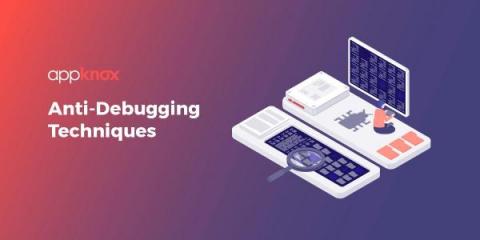
How To Protect Your Code: Top 3 Anti-Debugging Methods

Threat actors utilize numerous anti-analysis techniques, one of the most common of which is Anti-Debugging, to make post-detection analysis more difficult. In the malware they create and the ways they use to avoid detection and analysis by cybersecurity experts and solutions, threat actors have shown to be more inventive.

Protecting your Microsoft 365 workloads with Rubrik SaaS

There has been tremendous growth in Microsoft 365 usage with the current remote work trend, leading to an explosion of Microsoft 365 data. Microsoft infrastructure and platforms support the availability, reliability, and security of this infrastructure by providing world-class perimeter defense, controlling access to keep attackers out, and detecting risky behavior. However, customers are responsible for protecting the data itself - emails, chats, files, etc.

Koffee Talk with Kovar

In this special edition of Koffee Talk, Ryan Kovar discusses the whitepaper titled, “An Empirically Comparative Analysis of Ransomware Binaries” authored by SURGe member Shannon Davis. The research reveals that the average ransomware encryption speed is likely beyond the capabilities of most blue teams to detect and mitigate. Shannon will also explain what this means for network defense. Join Ryan and Shannon for this in-depth discussion with snark, deadpan humor, and a look at SURGe’s next phase of ransomware research.

Ransomware: A Cloudy Forecast

Ransomware remains high on the risk register for most enterprises, yet this threat has morphed into more targeted and insidious forms with multiple dimensions and points of coercion. As mobile working and cloud adoption became the norm, your data is now distributed, hard to monitor, and your organization’s operations are at risk. Identity is the new perimeter and the first place a modern ransomware crew will go to work. In this session, security professionals and enterprise leaders will learn.

"Pipedream" Malware Targets ICS: What Critical Infrastructure Owners Need to Know

Troubling new malware designed to facilitate attacks on a wide array of critical infrastructure – from oil refineries and power plans, to water utilities and factories – is raising concerns for its versatility. The malware, named Pipedream by Dragos and Incontroller by Mandiant, who have both tracked and researched the toolkit, is potentially capable of gaining full system access to multiple industrial control systems (ICS) and supervisory control and data acquisition (SCADA) devices.

ALPHV: Breaking Down the Complexity of the Most Sophisticated Ransomware

In our new threat briefing report, Forescout’s Vedere Labs describes how it analyzed files and tools used by an affiliate of the ALPHV ransomware group during an attack. ALPHV, also known as Black Cat, is a Ransomware-as-a-Service gang that was first discovered in November 2021.

Choosing the Right Metadata Store: Part 3

Part 1 of this series covered the challenges Rubrik initially faced with its distributed database. Our applications had become quite complex to work around some of these challenges. Part 2 of this series covered how we chose a new distributed database (CockroachDB), and how we performed the migration. Next, we will dive into some of the challenges we faced after migrating to CockroachDB and how we developed on top of CockroachDB to mitigate them.