Security | Threat Detection | Cyberattacks | DevSecOps | Compliance

An Overview of the Netskope AWS CloudTrail Lake Integration

Following the recent AWS CloudTrail Lake announcement, this blog will guide you through how to configure a Netskope Cloud Exchange instance to send Netskope user access logs to AWS CloudTrail Lake using the Cloud Log Shipper (CLS) module and the CLS plugin developed for CloudTrail Lake. Cloud Exchange (deployed in Amazon ECS on Fargate) can be obtained from the AWS Marketplace.
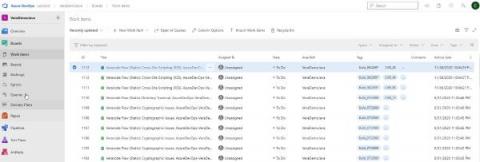

Quick Start Guide: Integrate Veracode in Your DevOps Pipeline

For today’s DevSecOps teams, the demands continue to intensify. Application portfolios and codebases continue to grow, while cyberattacks remain an ever-present danger. More than ever, it’s vital to ensure security gaps are identified and addressed with maximum speed and efficiency. In order to do this, you need to establish a continuous feedback loop on security threats, so you can realize optimized, sustained results – which is exactly how Veracode helps.

Vanta crosses 500 raving reviews on G2

At the top of Vanta’s principles is to “Put customers first.” It turns out, when you put customers first by building a product based on customers’ needs, along with providing best-in-class support, customers rave about their experience. So today, Vanta is thrilled to announce that we’ve reached an exciting milestone: Crossing 500 reviews on G2.

January Product Rollup: Life Sciences, Mobile App Updates and More

‍ Hello, 2023! This month, we’re excited to bring you some improvements to workflows in the Egnyte for Life Sciences app, support for file and folder templates in the Egnyte Mobile App, Microsoft co-editing improvements for the Egnyte Desktop App, refinements to the Egnyte for Salesforce integration, and more.

Cyber Trends for 2023: The Bots are Still Coming, but Humans are Driving Them

If one topic has been on the minds of CISOs and CIOs alike over the last three years of Covid and post-Covid hybrid enterprise work environments, it’s ransomware. A distributed tech workforce — using distributed software services — proved to be no match for highly automated ransomware bots and malware executing encryption attacks. But this year, like the end of War of the Worlds, the attacking bots may suddenly fall silent.

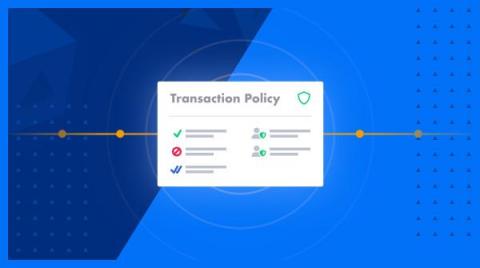
What is a digital asset or crypto transaction policy, and why is it important?

When working with digital assets or crypto, it can be difficult to know how many organizations and teams have access to your private keys at all times. In order to protect your customers and investors, it’s critical to develop a transaction and user policy layer. From compromised internal actors to simple fat fingers errors, the crypto industry is no stranger to both mistakes and targeted attacks leading to major losses.

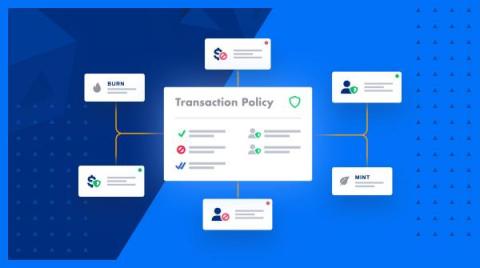
Designing a digital asset or crypto transaction policy

We recommend that all organizations working with crypto, web3 or digital assets implement transaction policies. This is a great way to prevent loss of assets without sacrificing speed and efficiency from an operational perspective. If you’re interested in learning what a crypto transaction policy is and why it’s important, check out the basics here. If you’re ready to start implementing transaction policies at your organization, you’ve come to the right place.