Security | Threat Detection | Cyberattacks | DevSecOps | Compliance

NIS 2 compliance checklist: The ultimate 7-step approach for your organization

With NIS 2 becoming part of national laws, compliance has become mandatory for organizations within its scope. ‍ Although NIS 2 has addressed some of its predecessor’s shortcomings by expanding its scope and setting clearer security and reporting requirements, it remains demanding for security and compliance teams. Its prescriptive guidance and requirements are still limited in certain areas, which can leave teams uncertain about the exact steps to take.

Going beyond the standard: Key takeaways from VantaCon UK 2025

Our second annual VantaCon UK event featured thought-provoking conversions with founders, CISOs, and security leaders from Synthesia, Okta, Klarna, Pigment, Multiverse, and more. ‍ During the event, speakers touched on the complexities of building trust in the age of AI, discussed specific regulatory challenges in the EU, and shared practical tips for modern CISOs operating amidst an evolving regulatory landscape and complex risk environment.

How AI is revolutionizing third-party risk assessments

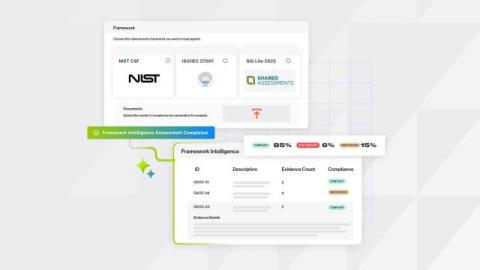
Enterprises rely heavily on third-party vendors for a vast spectrum of critical services. From IT support and supply chain management to specialized consulting and cybersecurity, the reliance on external partners has increased significantly. With this reliance comes the inherent risk that these vendors may pose to enterprise operations, reputation, and regulatory compliance.

Step-by-step Guide To Meeting NIST Compliance Requirements In 2025

Organizations across the board need to establish comprehensive data protection standards. The cybersecurity hurdles become more intense because threats in the realm continue to evolve. Organizations now place NIST compliance at the top of their operational priorities for 2025. Businesses encounter different threats, including vulnerable supply chains, AI-powered security breaches, and more.

From NIS to NIS 2: How to navigate the updated directive

The Network and Information Security 2 (NIS 2) directive is a successor to the original NIS directive. Its purpose is to strengthen the cybersecurity posture of the businesses and organizations it covers across different sectors. ‍ NIS 2 expands on the original directive with notable changes and updates aimed at consolidating and strengthening cybersecurity practices in EU Member States.

Thinking Critically About Security: The Assumed Breach Mindset

In a field flooded with tools, buzzwords, and compliance checklists, critical thinking is what cuts through the noise. It’s not just about following frameworks – its about asking the right questions. How does this control actually reduce risk? Is this alert meaningful, or just noise? What’s the intent behind the regulation, and how does it apply to my environment? Cybersecurity isn’t static. Threats evolve. So do the technologies and motivations behind them.

Why CMMC Is More Important Than Ever in 2025

If you’re a government contractor working with the Department of Defense (DoD), you’ve likely heard about the Cybersecurity Maturity Model Certification (CMMC)—but in 2025, it’s no longer just something to “keep an eye on.” It’s a requirement that’s actively shaping who gets contracts and who doesn’t. Here’s why CMMC is so important now, what’s changed, and what you need to do to stay compliant and competitive.

How to Vet SaaS Apps Using FedRAMP Equivalency

As much as some people dislike it, the world is interconnected, and to operate a business successfully, you will have to use the products or services produced by other businesses. Under normal circumstances, this is fine. However, when you’re a contractor looking to work with a department of the federal government, you have to adhere to higher standards.

How to Make Website Australian Privacy Principles Compliant

Websites that handle personal data from Australian residents must comply with the Australian Privacy Principles (APPs) under the Privacy Act 1988. The Office of the Australian Information Commissioner (OAIC) enforces these laws, and non-compliance can result in legal penalties and reputational harm. Many businesses operating in Australia are caught unprepared when it comes to OAIC compliance requirements.