The proliferation of third-party software components such as open source software(OSS) has triggered a growing need to keep track of it all. Why? Because when security vulnerabilities inevitably crop up in open source components, it’s pretty important to know whether your company uses that piece of code – or whether it appears in the myriad software dependencies inherent in open source.
Most cyber threats — like credential stuffing and card cracking — are committed by fraudsters with the aim of stealing money, data, or both. The law is clear on these cyberattacks: online fraud is illegal. But unlike these overtly malicious threats, web scraping isn’t always illegal, or even unethical. Aggregator sites like travel agencies and price comparison websites use scraper bots to help customers find the best deals.
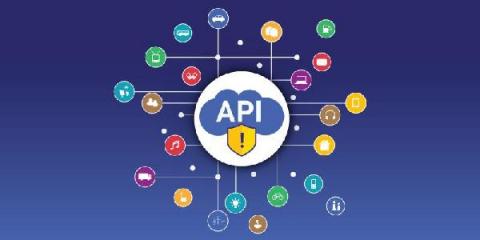
The use of Application Programming Interface has skyrocketed with the rapid adoption of cloud, web, and mobile apps. Accordingly, API security testing has had to move into a completely different phase owing to the complexity as well as time and resource limitations. API testing involves testing the APIs directly, including their functionality, reliability, performance, and security.
In a Kubernetes cluster, Control Plane controls Nodes, Nodes control Pods, Pods control containers, and containers control applications. But what controls the Control Plane? Kubernetes exposes APIs that let you configure the entire Kubernetes cluster management lifecycle. Thus, securing access to the Kubernetes API is one of the most security-sensitive aspects to consider when considering Kubernetes security.