Wallarm Platform Demo: API Leaks Management
Learn how to detect, remediate and control leaked API secrets like API keys, credentials, tokens and more which could lead to a breach of our APIs.


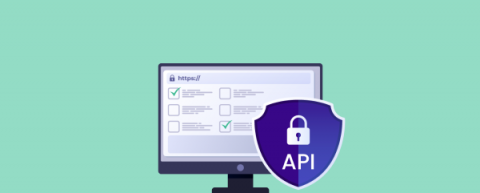
Is your security tool an island? Does it do its singular task with little more to offer than what it says on the package? Too many security offerings behave as singular entities, forcing you to constantly perform task switching to complete a job. If you are using a robust tool, then you may not be taking full advantage of its capabilities. Many capabilities of a good tool can be broadened with the use of an Application Programming Interface (API)
Salt has long benefited from the unique support that comes from being part of the Y Combinator accelerator program (Salt was in the Winter 2016 batch), and all these years later, we’re thrilled to have been named to not one but two of YC’s Top Company lists – the Top Private YC companies 2023 and the YC Breakthrough Companies 2023. For the Top Private list, it’s deja vu all over again, since we made that list last year as well.
Amazon Web Services (AWS) is the world’s largest cloud provider, with well over a million active users. The popularity of AWS makes it one of the biggest targets for cybercriminals — and one of the leading contributors to breaches is incorrectly configured Amazon S3 buckets. For example, an insecure bucket led to the unauthorized access of 23 million documents and 6.5 TB of data belonging to Pegasus Airlines.
Threat actors continue to exploit cloud services for cyber espionage, and a new campaign by a threat cluster named WIP26, discovered recently by researchers at Sentinel One in collaboration with QGroup, targeting telecommunication providers in the Middle East, confirms this trend.