Security | Threat Detection | Cyberattacks | DevSecOps | Compliance

New 5G consumption trends demand a new approach to security

We are in the midst of unprecedented transformation – both business transformation and technical transformation. From a technology perspective, 5G will change where and how we harness compute power and promote unforeseen product and service innovation. Once 5G attains critical mass with a robust ecosystem, it will touch nearly every organization, promising new revenue potential across a myriad of industries.

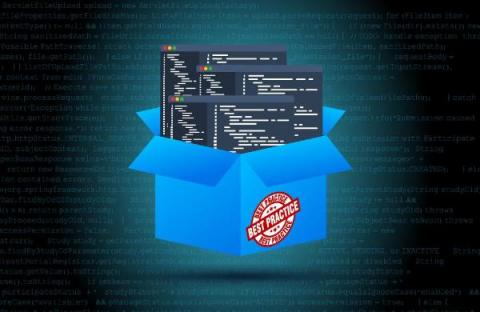
Embracing the Digital Shift: Implementing DevSecOps in the Cloud with AWS

To keep up with increasing time and productivity demands in software development, it’s important that organizations are staying on top of their digital shifts through rapid technology adoption and the prevention of common snags in application security (AppSec).

The State of Cloud Native Application Security survey-2021

Cloud native application security—or CNAS for short— is our passion here at Snyk. CNAS focuses on the security of your code, open source dependencies, container and infrastructure as code. Snyk is expanding on our annual State of Open Source Security report, by adding a new report in which we take a holistic view of the overall application developers work with on a day to day basis.

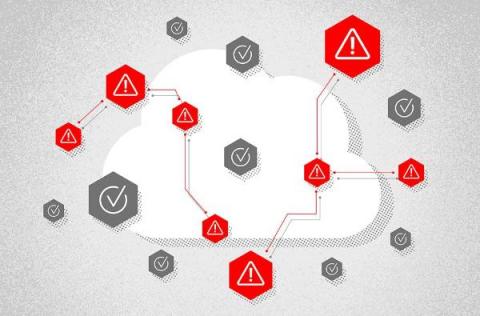
More Security Tools Doesn't Always Mean More Security. It Might Even Mean Less.

Even before the pandemic, many companies were undergoing significant transformation as they transitioned to cloud or hybrid architectures and grappled with problems caused by tool sprawl due to the quick adoption of many disparate tools. For some, COVID-19 and the rush to remote work fueled and exacerbated these challenges.

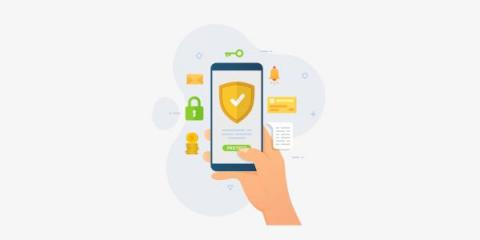
iOS App Security: 6 Ways How Apple Protects the User's Data

Apple loves bragging about how secure their devices are. Not without reason: there are lots of security features you probably use daily, including code autofill, password reuse auditing, Safari built-in privacy, and many more. Same for developers. For example, Apple doesn't release their source code to app developers for security reasons. And the owners of iOS devices can't modify the code on their phones themselves.