Security | Threat Detection | Cyberattacks | DevSecOps | Compliance

The State of Open Source Security Management RSA 2019

It is no secret - open source has become the main building block in modern applications, and it is almost impossible to develop software at today's pace without it. However, as the open source community grows, and the number of reported vulnerabilities keeps climbing, manually verifying the security and compliance of open source components can no longer provide the necessary control over the security of these components.

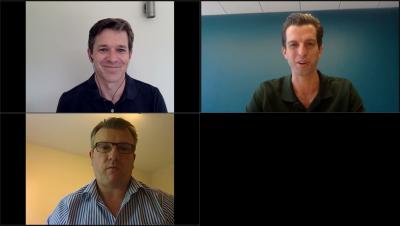
Panel Discussion: Cloud Security - Keeping Serverless Data Safe

The push to the cloud has introduced a previously unknown level of agility to many organizations, but sometimes at the expense of data security. Human error often is the cause of cloud security blunders, putting sensitive data at risk and causing real damage to companies in terms of financial liability and loss of reputation. This webinar discusses some of the more overlooked aspects of cloud security and offers up some best practices for ensuring data in the cloud is truly secure.

Open Source Analysis Extends Your Visibility

When we think of open source analysis, security is often the first thing that comes to mind. But open source analysis is so much more than just security. It gives you visibility into your codebase to help you understand and manage your open source components. In this blog, we’ll define open source analysis, look at why it’s important to your business, and describe the characteristics of an effective open source analysis framework.

Auditing Cloud Administrator Behavior as a Matter of Data Breach Preparedness

New technologies often present interesting challenges for security teams, with cloud services such as AWS, Azure and GCP providing particularly novel cases in comparison to “classic” on-premise systems. As cloud services race to add new features that drive new customer interest and increase retention of existing clients, there is a very real risk of exposing new threat vectors to the business if even the most minor of misconfigurations occurs.

Falco Support on AWS Fargate

Today we’re very excited to announce a partnership with Amazon to support Fargate in Sysdig’s product line. We are also announcing that Falco, the world’s most popular runtime security tool for containers, will soon be able to work on Fargate. This is an important milestone. For the first time, Fargate users will enjoy the benefit of deep instrumentation. This will make their workloads more secure, reliable, and efficient.

Gravity: Running Cloud Applications in Remote, Restricted and Regulated Environments.

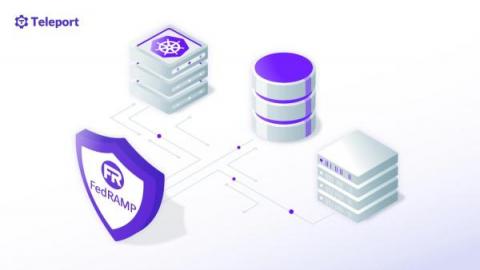
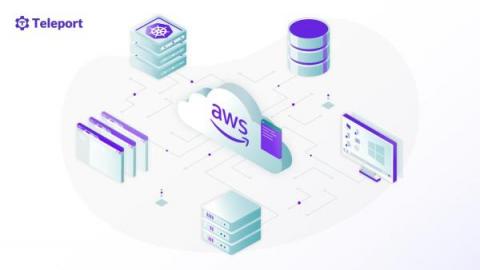
Gravity is an application delivery system that lets engineers deliver and run cloud-native applications in regulated, restricted, or remote environments without added complexity. Gravity works by putting applications and all their dependencies onto a single deployable file, which can be used to create hardened Kubernetes clusters that can reliably and securely run in any Linux environment: edge, multi-cloud, private cloud, on-prem, and air-gapped.

Webinar on Key to Effective Cloud Security in 2020

Cloud migration challenges Few applications don’t work well on cloud-like how they work on-premises, IT leaders need to figure out cloud migration failures in such instances as it could be due to poor latency, compliance challenges or security concerns. Due to the higher cost of cloud people generally think applications will work well however it is not the case as few applications won’t work well on the cloud that is why it is important for managers to rethink their strategies.