Security | Threat Detection | Cyberattacks | DevSecOps | Compliance

Cybersecurity best practices for modern enterprises

Enterprise cybersecurity is no longer confined to a fixed network perimeter. Security teams now have to protect users, devices, applications, cloud services, and third-party access across increasingly distributed environments. Attackers are also targeting identities, unpatched systems, exposed services, and gaps in visibility rather than relying on a single attack method. Cybersecurity therefore needs to be treated as an ongoing program, not a project that is completed once and revisited later.


Cybersecurity Regulations Change. Your Security Architecture Doesn't Have To.

If you're an MSP or MSSP, you've probably had some version of this conversation with a customer: “We just found out we need to comply with NIS2, DORA , HIPAA, PCI DSS... What do we need to buy?” It's a fair question. It's also usually the wrong first question — and answering it well is where you create real value for your customers.

The New Frontier of Malicious AI: What Underground Forums Tell Us About the Evolution of Cybercrime Tradecraft

Public discussion of AI-enabled cybercrime tends to lean heavily on vendor marketing and speculation about future capabilities. We wanted to measure what criminal practitioners are actually discussing, what tools they prefer, and where their attention is shifting.

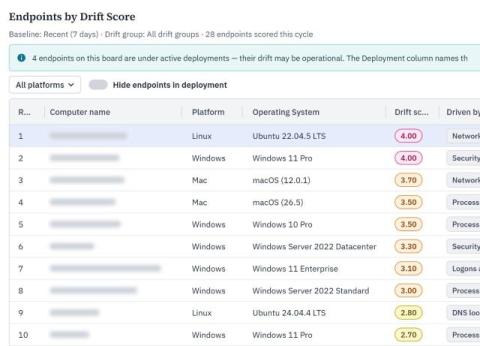
Notice when a machine stops acting like itself: introducing Endpoint Drift

The next attacker in your environment probably won't look like an attacker. With AI in the mix, they can sign in with stolen credentials and use the same tools your IT team uses every day. Nothing about that activity matches a known-bad file or a known-bad rule. That is the problem Endpoint Drift is built to solve. It learns what normal looks like for each endpoint, then shows you which ones have started behaving differently, and why.

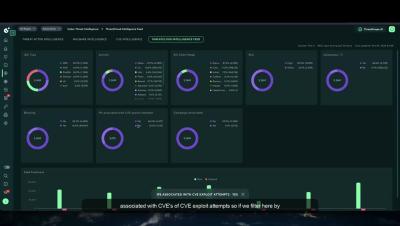
Threat Intelligence Demo: From Dark Web Monitoring to Action in Check Point Exposure Management

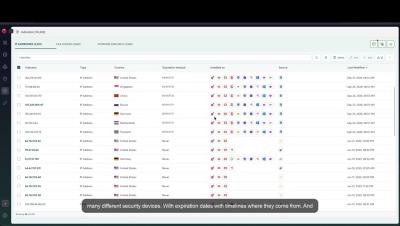
Threat intelligence only helps when your team can act on it. See how Check Point Exposure Management collects intelligence from the clear, deep, and dark web, adds telemetry from Check Point’s global firewall network, and ties it to what is exposed in your own environment.

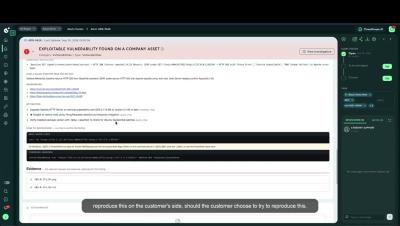
Complete CTEM Use Case: From Exposure Alert to Safe Remediation with Check Point Exposure Management

One vulnerability, five steps, start to finish. Watch how Check Point Exposure Management finds an exposed asset, proves it’s exploitable, shows who is exploiting it, locates every affected host, and closes the gap through your existing security controls.

2026 Demo of the Check Point Exposure Management Platform

See how Check Point Exposure Management connects external threat intelligence with what is exposed inside your environment, so your security team knows which threats matter and what to fix first. In this 14-minute walkthrough, Check Point Software shows how Check Point Exposure Management turns 15 years of threat intelligence collection, covering the deep and dark web and threat capture monitoring, into prioritized, actionable exposure data. You see which threat actors and campaigns are relevant to your organization, which vulnerable hosts they could reach, and how to block them in real time.

CAASM and Vulnerability Prioritization Demo: See the Full Picture Across Your Security Tools

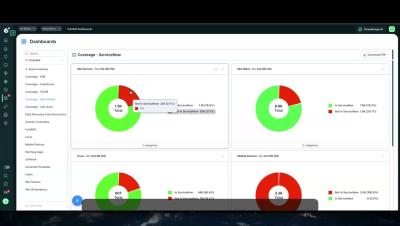
No single security tool shows the full picture. See how Check Point Exposure Management pulls findings from dozens of tools into one view, so your team can see which assets are exposed, which controls are missing, and what to fix first.

Check Point Exposure Management Safe Remediation Demo: Harden Firewalls, Endpoints Operating Systems

Closing an exposure should not cause an outage. See how Safe Remediation in Check Point Exposure Management turns findings into validated fixes on the security controls you already own, without business disruption.