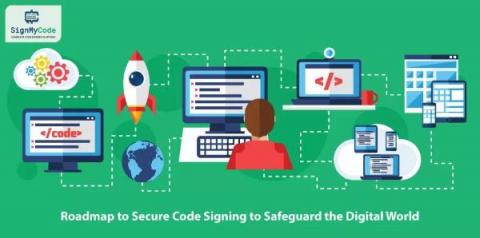
The ability to sign and verify the integrity and origin of software artifacts, such as Docker images, is critical to supply chain security. Let's try Sigstore, a new standard that promises to make this process much easier.
Complex cyberattacks dominate the headlines, making breaches seem sophisticated. In reality, most hacks are unbelievably simple and involve attackers targeting well-known configuration security gaps. In fact, cyberattacks are rather common. According to IBM, 83% of companies have experienced more than one breach while in operation.
Were you tasked with building a product that requires the execution of dynamic JavaScript originating from end users? You might think building it on-top of Node.js VM module is a viable way to create a JavaScript sandbox. In this article, we’ll learn why that’s far from being a recommended approach and the security implications of doing so. Every now and then there’s a project that challenges the rudimentary and routine backend development. APIs? Message queues?
I’m always amazed at just how quickly the developer community gets things done. Case in point: Just weeks after we launched 1Password Shell Plugins, we’re now 33 plugins strong… 14 of which were built by you, the developer community. 🤯
On January 25, Forward Networks was honored to host Cloud Field Day 16. We especially enjoy working with the delegates because of their industry experience and objective viewpoints; in fact, we launched our product at a Networking Field Day in 2017. This blog is the first in a series covering our Cloud Field Day 16 presentations.
Phishing is a big problem that’s getting even bigger as cybercriminals find new ways to hook employees. With threats coming from every direction – emails on company computers, text and voice messages on mobile devices and in personal communications channels, malicious typosquatting sites, phony marketing QR codes and more – it’s only a matter of time before someone trips up and opens or clicks on something they shouldn’t.