Machine learning is a loaded term. While machine learning offers amazing potential for advancing technologies, it often gets used as a marketing buzzword describing glorified pattern recognition. So it becomes increasingly difficult to know if the application of machine learning to existing technology is going to break new ground or sell more licenses. That’s the problem that Frank Fischer, Product Marketing for Snyk Code, explores in his RSAC 2021 talk ML in SAST: Disruption or Distraction.
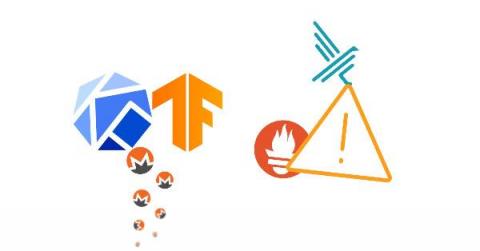
Microsoft has discovered a new large-scale attack targeting Kubeflow instances to deploy malicious TensorFlow pods, using them to mine Monero cryptocurrency in Kubernetes cluster environments. Kubeflow is a popular open-source framework often used for running machine learning tasks in Kubernetes. TensorFlow, on the other hand, is an open-source machine learning platform used for implementing machine learning in a Kubernetes environment.
MySQL brands itself as the world’s most popular open source database. As popular as MySQL database is among developers and SQL enthusiasts, it is equally popular amongst hackers. Misconfigured server access, overprivileged roles, and weak authentication schemes are the most common security issues in MySQL database. While access control features provided by MySQL are adequate enough at the SQL level, it is error-prone to manage access at the operational level.