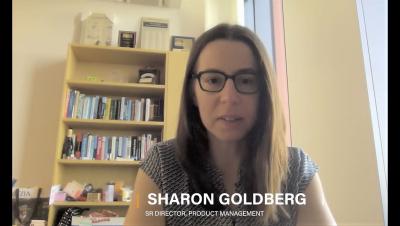
Quantum Computers Threaten Encryption - Here's the Fix | Sharon Goldberg
What happens to Internet security when quantum computers become powerful enough to break today’s encryption? In this clip from a full conversation on This Week in NET, Sharon Goldberg explains why researchers and companies are preparing for post-quantum cryptography, what could be at risk if current encryption is broken, and why the timeline may be closer than many expected. This clip is from the This Week in NET podcast about the future of encryption, quantum computing, and post-quantum cryptography.