The Windows ‘Administrator’ account is a highly privileged account that is created during a Windows installation by default. If this account is not properly secured, attackers may leverage it to conduct privilege escalation and lateral movement. When this account is used for administrative purposes, it can be difficult to distinguish between legitimate and malicious activity.
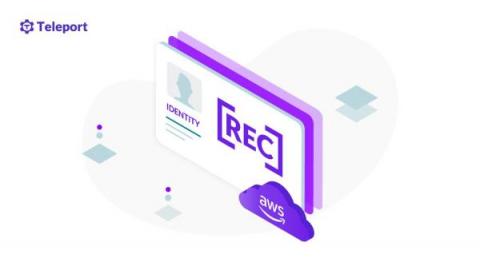
This blog is Part IV in a series about identity-based access management of AWS resources. In Part I, we covered how to use OSS Teleport to access Amazon EC2 instances running in private subnets. Part II explained implementing identity-based access via SSO integration with Okta. Part III covered the steps to configure privilege escalation for just-in-time access requests. In Part IV, we will guide you through the steps to configure SSH session recording and auditing.
The four-eyes principle means an activity must be approved by two people, or from Argus Panoptes if the ancient Greeks needed access controls. This principle is commonly used in both routine and non-routine scenarios. On the routine side are “Business Execution” processes. Here the Four Eyes principle is used to stop negative outcomes as the result of poor execution of a regular business task.
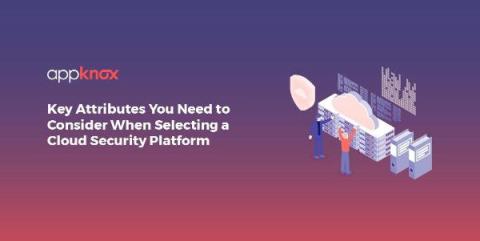
As more and more businesses move towards cloud-based operations and embrace digital transformation, security is increasingly becoming an important question. As an enterprise migrates to the cloud, its assets and data resources need to be migrated as well, and that might expose the sensitive information.
We’re happy to announce the latest version of PAM360 now supports self-service privilege elevation with application whitelisting capabilities. Before exploring the feature in-depth, let’s start with the fundamentals.
With the growing risk of identity-driven breaches, as seen in recent ransomware and supply chain attacks, businesses are starting to appreciate the need for identity security. As they assess how best to strengthen identity protection, there is often an urge to settle for security features or modules included in enterprise bundles from the same vendor providing their identity or identity and access management (IAM) layer.
This blog was written by an independent guest blogger. Privileged users are the key to the information system. The operation of information systems and the availability of enterprise resources depend on privileged users’ actions. If admins make a mistake or their credentials are leaked to attackers or competitors, it could put your business at serious risk.
According to Business Insider, 80% of people give up on their new year resolutions within the first 30 days. Don’t let your business and IT security goals fall into this trend, too! We’re now in February, but there’s still plenty of time to salvage your new-year goals, both your IT security and personal ones. The secret to falling into that successful 20% is to chart your resolution with clear plans on how to achieve it.