Integrating Security Across Clouds
SEGA Europe – Why SEGA Europe adopted Sumo Logic for Multi-Cloud Security.


The new Devo eBook, Building the Modern SOC, presents four evolutionary steps for creating a highly automated and efficient security operations center (SOC) that empowers analysts. This is the second in a series of posts about the four steps that highlight some of the most important concepts. The first post covered Step 1, which is about establishing a foundation of centralized, scalable visibility. This post excerpts Step 2, extracting intelligent insights from your data.
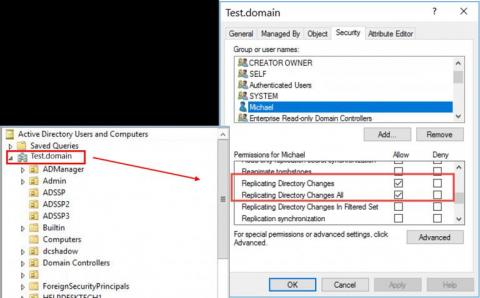
In this blog in the IT security under attack series, we will learn about an advanced Active Directory (AD) domain controller (DC) attack to obtain persistence in AD environments. Dubbed DCShadow, this is a late-stage kill chain attack that allows a threat actor with admin (domain or enterprise admin) credentials to leverage the replication mechanism in AD to register a rogue domain controller in order to inject backdoor changes to an AD domain.
For an organization to be compliant with PCI logging requirements, it must follow PCI Requirement 10 of the Payment Card Industry Data Security Standards (PCI DSS). Below, we’ve listed the highlights of this section and the important details that you need to know.
Hello Security Ninjas, Today's IT world is complex and can be challenging for security operations teams. Nowadays, more apps are being integrated and interconnected than ever before. Cloud services and SaaS solutions purchased all throughout the organization outside of the IT department add even more complexity. Communicating to application and service owners the kind of activities that need to be logged and sent to the SOC can be a daunting task.
Everyone at Devo is proud of the way our cloud-native logging and security analytics platform empowers security and operations teams to maximize the value of all their data. We have recently received kudos from industry analysts and awards from several industry organizations.
Security teams are in a difficult position: they continue wrestling with persistent problems, such as overwhelming alert volumes and staff shortages, while confronting new ones driven by the abrupt shift to remote work. For instance, attaining real-time, deep visibility into cloud environments may have been on SOC roadmaps before 2020, but the capability is now a pressing need.