Security | Threat Detection | Cyberattacks | DevSecOps | Compliance

Automating evidence collection for regulatory compliance: Tools & best practices

With mounting pressures from regulatory bodies, leaders face the dual challenge of maintaining audit readiness while streamlining processes to combat increasing administrative overhead. Automation is emerging as a strategic solution that not only addresses existing pain points but also transforms the enforcement of compliance into a proactive business function.

How LLMs Are Changing DLP, And Why That's a Good Thing

For years, data loss prevention has been synonymous with pain: These legacy approaches treat every potential incident the same, forcing teams to waste time deciphering what really happened and why it matters. Meanwhile, real risks slip through the cracks because no team can manually keep up.

SOC 2 complete guide

SOC 2 compliance is no longer a “nice to have” – it’s an essential requirement for SaaS providers and service organizations handling sensitive client data. Whether you’re a startup looking to build credibility or an established firm entering enterprise deals, SOC 2 offers a structured framework to demonstrate your commitment to security, privacy, and operational integrity.

How to get HITRUST certified

How to get HITRUST certified has become a strategic move for organizations handling sensitive health and financial data. It demonstrates a serious commitment to information security, privacy, and regulatory compliance. However, the path to certification is often viewed as daunting – requiring time, budget, internal effort, and cross-functional coordination. Many organizations struggle with cost concerns, internal resource limitations, and uncertainty about the actual return on investment.

Why Patch Management is Important and How to Get It Right

If you’ve ever been burned by a late-stage security patch—hours before a release, in production, or during a holiday—you know patch management isn’t just an IT checkbox. It’s a make-or-break part of modern software delivery. Yet too often, it’s reactive, fragmented, and bolted on after the fact. This guide breaks down how to make patch management a proactive, automated, and developer-aligned process—without slowing you down.

6 Proactive Steps for Tech Companies to Stay Protected in 2025

The Trustwave’s SpiderLabs’ 2025 Risk Radar Report: Technology Sector highlights a persistent and evolving threat landscape, emphasizing that while the tech industry leads in digital offerings, it often lags in information security. Transitioning from a reactive to a proactive cybersecurity posture is no longer an option, but a necessity.

Tanium Core Content - Fun stuff for everyone - Tanium Tech Talks #132

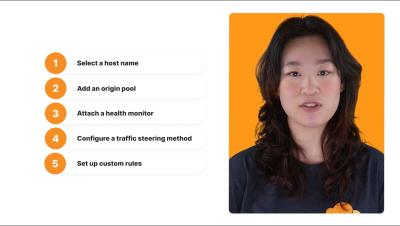
Tanium is like a big toy box with many fun experiences from day one. See some examples of core content that every customer gets. Sensors return data. Packages take action. Hundreds of cross-platform sensors and packages out-of-the-box Before creating new, check to see if one already exists Never edit core content; instead, clone with your own modifications Use a naming convention to distinguish your custom content Take the Custom Content course for more details.

Charlotte AI - Agentic Workflows: Vulnerability Impact Translation

Vulnerabilities pile up fast, but which ones truly matter to your business? With Charlotte AI Agentic Workflows, CrowdStrike turns overwhelming technical data into business-ready intelligence so you can prioritize what really counts. By pulling real-time vulnerability insights from Falcon Exposure Management, Charlotte AI evaluates what systems are at risk, how many users could be impacted, and what services or revenue streams are on the line. In this demo, you’ll see how AI-driven reasoning translates CVEs and severity scores into clear business impact, no manual analysis required.

How Can Context Driven Asset Profiling Transform Your Risk Mitigation Strategy?

Traditional asset inventories list what exists—they don’t reveal why an asset is critical or how it might be attacked. With threats constantly evolving, teams need context: Which assets hold sensitive data? Which are actively targeted? Without this, efforts like patching or monitoring are unfocused and inefficient. Context-driven asset profiling aligns defenses with real risk—saving time, money, and reputation.

Tired of Security Alert Fatigue? Stop Burnout with Hyperautomation

Every day, analysts are buried under a mountain of low-value and often meaningless alerts. And they’re expected to triage, investigate, prioritize, and respond to all of them — faster, better, and with fewer people. With this comes cybersecurity alert fatigue, which can lead to missed threats, slower response times, and SOC analyst burnout. The good news is that SOC analysts don’t have to live like this anymore. Not if you have the right kind of AI working for you.