Security | Threat Detection | Cyberattacks | DevSecOps | Compliance

Tooling Overview for API Testing (SAST, DAST, IAST, Fuzzing)

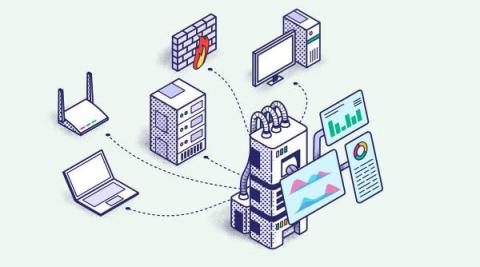
Application Programming Interface (APIs), allow services to communicate with each other. Naturally, applications that are interconnected through many APIs, require thorough security testing, as each connection could potentially include software vulnerabilities. Since there are different methods to test these junctions, I want to briefly discuss the benefits and weaknesses of the most commonly used API testing methods in this article.

Endangered data in online transactions and how to safeguard company information

This blog was written by an independent guest blogger. Online transactions are essential for every modern business. From online shopping to banking, transferring funds, and sending invoices, online transactions ensure utter convenience and efficiency. However, the familiarity of making financial transactions online can make people forget about security and all the dangers that they may be facing. On top of that, new cybersecurity threats keep popping up constantly.

Proactive Cybersecurity: How to Stay Ahead of Today's Threats

For many organizations, cybersecurity is an overwhelming challenge. New threats emerge seemingly in the blink of an eye, and IT and security teams are constantly reacting to the moves of bad actors who always remain one or two steps ahead and get to dictate where and when their attacks are carried out. As you might expect, a reactionary approach to cybersecurity is not ideal. It’s typically borne of necessity due to undermanned teams or inadequate resources. Ultimately, it is destined to fail.

CISO's Corner: The Four Best Cybersecurity Investments You Can Make During the Cyber Talent Shortage

The need for strong cybersecurity has reached critical mass. Seventy-six percent of security leaders have reported an increase in cyber-attacks over the past year -- accelerated by the COVID-19 pandemic and a rapid shift from an in-office to a remote workforce and on-premises to cloud infrastructure.

Security Cloud Considerations for Delivering Security Service Edge (SSE)

In recent blogs, we’ve explored the role of Security Service Edge (SSE) technologies as part of a SASE architecture, and the key differences between SSE and SASE. But so far, we’ve focused more on overall functionality than on its realization and what SSE means from a cloud design and implementation perspective. In this post, we shift gears to put a spotlight on networking and infrastructure as it relates to security clouds.

SSH Client Config Files and How to Use Them

SSH client configuration files allow us to connect to servers with pre-configured commands. This saves typing each SSH command parameter when logging into a remote machine and executing commands on a remote device. This article will examine secure shell (SSH) client configuration (config) files and their functions. Specifically, we will show an example of an SSH client config file to learn how to use these files before creating an example config file that connects to a fictitious server.

Behind the Buzzword: Four Ways to Assess Your Zero Trust Security Posture

With just about everything delivered from the cloud these days, employees can now collaborate and access what they need from anywhere and on any device. While this newfound flexibility has changed the way we think about productivity, it has also created new cybersecurity challenges for organizations. Historically, enterprise data was stored inside data centers and guarded by perimeter-based security tools.

The JNDI Strikes Back - Unauthenticated RCE in H2 Database Console

Very recently, the JFrog security research team has disclosed an issue in the H2 database console which was issued a critical CVE – CVE-2021-42392. This issue has the same root cause as the infamous Log4Shell vulnerability in Apache Log4j (JNDI remote class loading). H2 is a very popular open-source Java SQL database offering a lightweight in-memory solution that doesn’t require data to be stored on disk.

CloudCasa Introduces New Starter Plan, Bring-Your-Own Storage, and more Application Support for Kubernetes Backup-as-Service

The CloudCasa elves has been busy in their workshop for the past few months, and in December we delivered a stocking full of brand-new Kubernetes data protection goodies just in time for the holidays!

15 simple steps to stay secure at work without burning yourself out

No-one wants to feel burned out at work. Battling physical or emotional exhaustion can quickly impact your health, happiness, and any sense of professional fulfillment. That in turn can affect your productivity and the likelihood that you’ll make an honest mistake that puts your company’s data at risk.