Security | Threat Detection | Cyberattacks | DevSecOps | Compliance

What's New - August 2026 Release

Discover everything new in the August 2026 update of Acronis Cyber Protect Cloud! This video highlights the latest features and enhancements empowering MSPs to expand workload protection, strengthen disaster recovery, automate workflows, and improve operational visibility. Essential updates covered: Like, comment, and subscribe for more Acronis news!

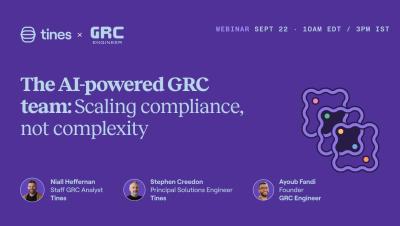
The AI-powered GRC team: Scaling compliance, not complexity

GRC teams have invested heavily in building mature control frameworks. But the real challenge? Having the visibility into whether they’re working, where gaps exist, and how to keep them running effectively at scale. As compliance programs become more complex, teams need new ways to move beyond manual processes and maintain confidence in control effectiveness. Join GRC experts from Tines for a conversation with Ayoub Fandi, Founder of GRC Engineer, to learn how leading organizations are reducing manual effort and improving visibility, and building compliance programs that scale.

New Partnership with Entrust to Reach More Victims of Cybercrime and Fraud

Entrust, a global leader in identity-centric security solutions, today announced its partnership with The Cyber Helpline. Entrust will support our mission to help people understand, contain, and recover from cyber incidents by funding more than 3,200 hours of specialist support, which will provide assistance for approximately 1,000 individuals across the US and UK.

AI Security Has a Context Problem

The problem is not a lack of controls. It is connecting them into one attack story. The more time I spend with enterprise AI deployments, the clearer one thing becomes: AI security is incredibly fragmented. There are LLM guardrails, AI gateways, MCP security tools, API security, endpoint controls, SASE, code scanning, and runtime detection. Each solves a real problem, but agentic systems do not experience them as separate layers, and neither do attackers.

Identity Risk: 5 Access Pathways Emerging Across Threat Intelligence

It’s not a secret that phishing, stolen credentials, and human error remain some of the easiest ways for attackers to get into an environment. Identity has become one of the biggest attack surfaces for organizations today because sometimes, all an attacker needs to do is log in. That access can come from valid credentials, stolen sessions, exposed tokens, compromised service accounts, or abused application permissions.

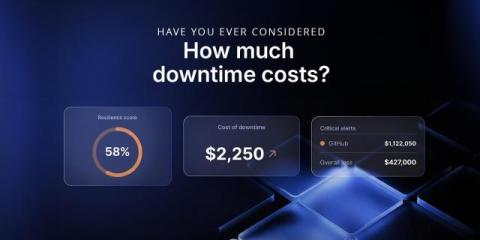
Have you ever considered how much downtime costs?

9,255 hours and 26 minutes. That’s the combined downtime and degraded service duration that GitHub, GitLab, Bitbucket, Azure DevOps, and Jira publicly reported in 2025, across 607 incidents tracked in our DevOps Threats Unwrapped 2026 report. Critical and major incidents rose 69% year over year, with overall incident volume growth at 40%—a trend that cannot be ignored and a related cost that must be properly measured.

How to Protect Backups from Ransomware

Ransomware crews go after backups first. Before any production file gets encrypted, they hunt down your backup catalog, snapshots, and repository credentials. The real question is whether your backups can survive an attacker who is actively trying to destroy them. This guide covers how to protect backups from ransomware with specifics: immutable and WORM storage, the 3-2-1-1-0 rule, air-gapping, network segmentation, encryption, and access controls that hold up under pressure.