Security | Threat Detection | Cyberattacks | DevSecOps | Compliance

Why security questionnaires can't measure vendor risk

“Friends don’t send friends security questionnaires. “If you hang around me long enough, you will hear me say it. It gets a laugh, but the point underneath it is serious. Are security questionnaires enough to manage third-party risk? No. A questionnaire tells you what a vendor is willing to claim on a given day. It does not tell you whether the control behind that claim is working. Those are two very different things, and most third-party risk programs are still built on the first one.
How to Build a More Flexible and Connected AV Setup

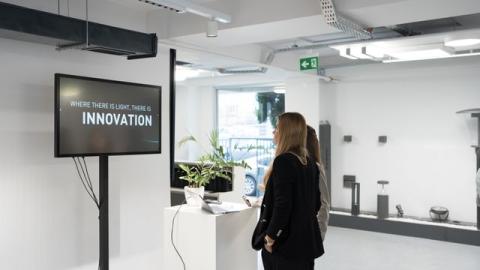
A boardroom gets used for a client demo on Monday, a town hall on Wednesday, and a hybrid interview on Friday. It was built for one of those. It's now handling all three, badly. That mismatch is what flexible AV design fixes. Not by cramming in more gear, but by rethinking how the room, the network, and the equipment connect to each other in the first place.

How AML Software for Accountants Can Improve Client Due Diligence

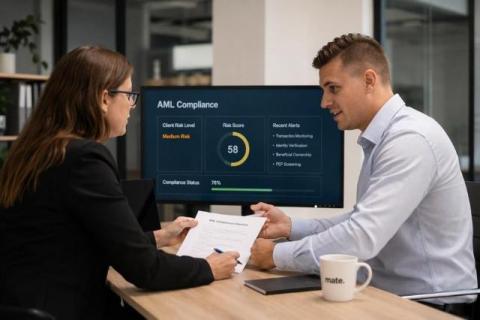
If your firm is getting ready for Tranche 2, AML software for accountants can make that process far easier. It helps you manage AML compliance, speed up due diligence, and keep client due diligence consistent from the start. Instead of relying on spreadsheets and manual follow-ups, you can use one system to check, record, and review what matters.

The Screenshot Looked Better-But One AI Edit Changed the Evidence

A security analyst prepares a phishing report for publication. The original screenshot is accurate but messy: a personal email address is visible, the browser contains unrelated tabs, and a notification blocks part of the page. The analyst uses an image editor to clean it up. The result looks professional. Unfortunately, one character in the suspicious domain has also changed. Tools such as Nano Banana can edit existing images and generate new ones, but security communication introduces a requirement ordinary visual content may not have: some pixels represent facts. Improving the image cannot be allowed to rewrite them.

The Best Speech-to-Text APIs for Media Captioning and Broadcast Workflows

Media captioning and broadcast transcription put different pressure on speech-to-text APIs than general business use cases. Accuracy still matters, but so do low latency for live output, speaker handling, timestamp quality, multilingual support, and the ability to keep working when the audio includes overlapping speakers, background sound, remote contributors, or fast-paced unscripted dialogue.

Configuration Drift in the Age of AI: 2026 Telemetry Report

Reach analyzed a year of telemetry from more than 50 production environments. The average organization generated 13 configuration drift alerts per day. 12 of them traced to a genuine, risk-prioritized exposure. A 92% signal rate on a category of alert most teams treat as background noise. The full report is out now. Security Intent vs. Security Reality: Configuration Drift in the Age of AI.

How 6 Women in Cyber Are Rethinking Risk, Resilience, and Security Leadership

Established by the Canadian nonprofit Women Cybersecurity Society, Women in Cyber Day celebrates the contributions of women across the cybersecurity community and encourages the continued advancement of the profession. Observed annually on September 1, the day also provides an opportunity to spotlight the expertise and perspectives shaping what comes next in cybersecurity, especially as the industry rapidly transforms. Cybersecurity has never had more frameworks, controls, benchmarks, metrics, or tools.

Why Good Cybersecurity Containment Doesn't Cause Outages

Many organizations hesitate to contain cyber threats because they fear disrupting operations. But effective containment isn't about shutting everything down. In this video, Daniel Trivellato, VP of OT, Healthcare and Cyber Risk Solutions at Forescout, explains why good containment should be contextual, controlled, and proportionate. Learn how organizations can reduce risk, isolate suspicious devices, restrict risky communications, and limit lateral movement while keeping critical operations running.