Security | Threat Detection | Cyberattacks | DevSecOps | Compliance

Best Tools for Automated GDPR Compliance Monitoring

Most websites today are more complex than their owners realise. A single page can load a mix of analytics, pixels, and vendor scripts, all shaping how personal data flows through the browser. And because GDPR now treats this browser activity as processing, it becomes part of the compliance picture even when it comes from third-party tools. Which means regulators naturally expect organizations to understand this activity as it happens.

Inside Brazil's New Digital Asset Rules: What Institutions Need to Know for VASP Readiness

Brazil has formalized a comprehensive framework for virtual asset service providers (VASP). This is the moment when the rules become operational, enforceable, and aligned with the scale of activity taking place in the country. For institutions already active in Brazil and those evaluating market entry, this is a shift that raises expectations and lowers uncertainty at the same time.

UK's New Cyber Security and Resilience Bill: What Does It Mean For Critical Infrastructure Organisations?

In recent weeks, the UK government has announced the introduction of its new Cyber Security and Resilience Bill. The bill aims to strengthen cyber defences for organisations that fall within the scope of critical national infrastructure (CNI), including the NHS, energy, water and transport sectors, ultimately making these industries more resilient to increasing cyber threats.

NIS2 Incident Reporting Timeline and How Companies Should Prepare

Rate this post Last Updated on November 25, 2025 by Narendra Sahoo The NIS2 Directive has raised the bar for cyber resilience across Europe, and one of the biggest changes organizations are trying to wrap their heads around is the NIS2 incident reporting timeline. The timelines are tighter, the expectations are higher, and the penalties for delay or incomplete reporting are far more serious than under NIS1.

EU Cyber Resilience Act Readiness: A Strategic Guide for CISOs

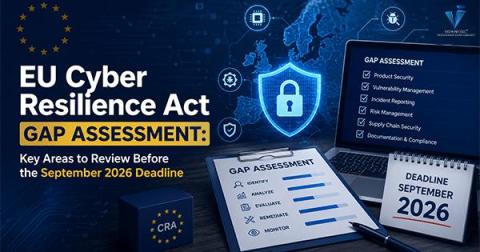
Authors: Tova Dvorin, Senior Product Marketing Manager On December 10, 2024, the EU Cyber Resilience Act (CRA) officially entered into force, marking the start of a three-year runway before its main obligations apply on December 11, 2027. While that might seem distant, the reality is clear: compliance preparation must begin now.

DORA compliance checklist: A guide for financial entities and their technology partners

While it shares a name with a popular cartoon character, there’s nothing cute about this DORA. The Digital Operational Resilience Act (DORA) has financial entitles and their service providers scrambling to meet DORA requirements or face fines and penalties. DORA is a cornerstone of the European Union's strategy to strengthen the financial sector against risks related to information and communications technology (ICT), although it has global implications that reach far beyond Europe.

DPDP Rules 2025: The New Compliance Era and How AppTrana Helps You Get There

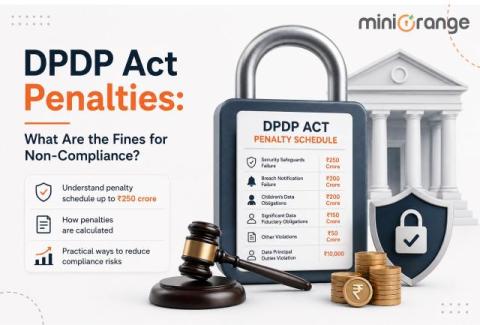
On 14 November 2025, the Government of India notified the Digital Personal Data Protection (DPDP) Rules, 2025, officially activating the DPDP Act, 2023. The Rules transform the law from a policy framework into a fully enforceable compliance regime, starting an 18-month implementation countdown for every business in India.

UK Cyber Security Bill: A Mandate for Resilience

The UK government has introduced its Cyber Security and Resilience Bill to parliament, signaling a significant update to the nation’s cybersecurity framework. The legislation aims to modernize and strengthen the existing Network and Information Systems (NIS) Regulations 2018, preparing the UK to defend against a new generation of digital threats. This bill is more than a regulatory update; it is a clear call for businesses to embed proactive security and resilience into their core operations.

UK Cyber Security and Resilience Bill: What you need to know

The UK government introduced the Cyber Security and Resilience Bill to Parliament on November 12th, 2025. Science, Innovation and Technology Secretary Liz Kendall stated: “Cybersecurity is national security. This legislation will enable us to confront those who would disrupt our way of life.” If you work in healthcare, energy, water, transport, or supply IT services to these sectors, this legislation will directly affect how you manage cybersecurity.