
Security | Threat Detection | Cyberattacks | DevSecOps | Compliance

The Top AI Coding Agent Risks And How To Mitigate Them

AI coding agents are now writing and shipping code with far less human review. Is your security keeping up? Veracode CISO Sohail Iqbal breaks down the top security risks of AI coding agents and agentic AI, and what security teams should put in place first. If code is written at machine speed, it has to be remediated at machine speed. What you will learn: Chapters: Subscribe for more insights on Application Security, AI Coding, and DevSecOps.

The Identity Crisis Your Security Team Didn't See Coming

AI is transforming the identity landscape, and legacy systems were only designed to secure human identities, not non-human identities, machines or AI agents. Today, cybersecurity vendors are reinventing their solutions to address emerging threats while teams are rethinking their technology stacks and strategies. Keeper Security has been unified by design since day one.

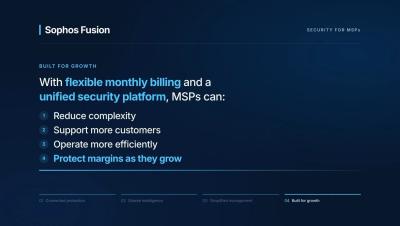
Sophos Fusion: Securing the AI Era for MSPs

Discover how Sophos Fusion helps Managed Service Providers (MSPs) simplify operations, improve security outcomes, and grow profitability with an AI-native cybersecurity defense system. Chapters Introduction to Sophos Fusion Unified Defense vs. Disconnected Tools Connected Protection Stack (Endpoint, Firewall, Email, MDR, Identity, Network) Shared Intelligence and Unified Response Simplified Management (Multi-tenant, Automation, RMM/PSA Integrations)

What are the 5 pillars of Zero Trust? [Quick Question Ep. 4]

What are the five pillars of Zero Trust? Across Zero Trust frameworks, five control points remain consistent: users, devices, networks, applications, and data. In this episode of Quick Question, we cover how each pillar generates critical security data, and why that data often lives in disconnected tools, leaving organizations with a fragmented view.

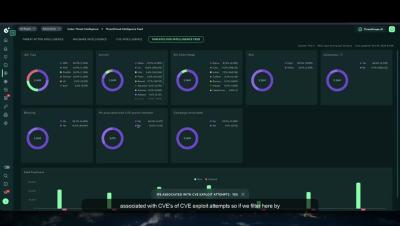
Threat Intelligence Demo: From Dark Web Monitoring to Action in Check Point Exposure Management

Threat intelligence only helps when your team can act on it. See how Check Point Exposure Management collects intelligence from the clear, deep, and dark web, adds telemetry from Check Point’s global firewall network, and ties it to what is exposed in your own environment.

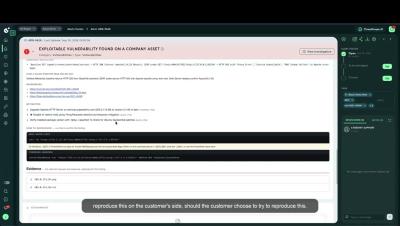
Complete CTEM Use Case: From Exposure Alert to Safe Remediation with Check Point Exposure Management

One vulnerability, five steps, start to finish. Watch how Check Point Exposure Management finds an exposed asset, proves it’s exploitable, shows who is exploiting it, locates every affected host, and closes the gap through your existing security controls.

2026 Demo of the Check Point Exposure Management Platform

See how Check Point Exposure Management connects external threat intelligence with what is exposed inside your environment, so your security team knows which threats matter and what to fix first. In this 14-minute walkthrough, Check Point Software shows how Check Point Exposure Management turns 15 years of threat intelligence collection, covering the deep and dark web and threat capture monitoring, into prioritized, actionable exposure data. You see which threat actors and campaigns are relevant to your organization, which vulnerable hosts they could reach, and how to block them in real time.

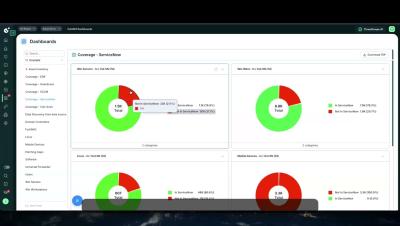
CAASM and Vulnerability Prioritization Demo: See the Full Picture Across Your Security Tools

No single security tool shows the full picture. See how Check Point Exposure Management pulls findings from dozens of tools into one view, so your team can see which assets are exposed, which controls are missing, and what to fix first.

Check Point Exposure Management Safe Remediation Demo: Harden Firewalls, Endpoints Operating Systems

Closing an exposure should not cause an outage. See how Safe Remediation in Check Point Exposure Management turns findings into validated fixes on the security controls you already own, without business disruption.