
Security | Threat Detection | Cyberattacks | DevSecOps | Compliance

Razorwire RAW OT in a Critical state Edited

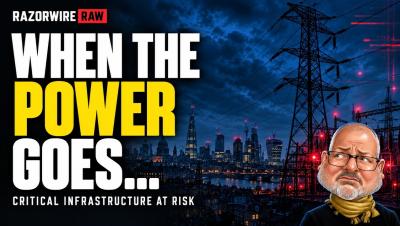
When the power goes off, how much else goes with it? Water pumps. Communications. Fuel supplies. The services we rely on every single day. Having experienced prolonged water outages in Tunbridge Wells, I know how quickly losing a basic service becomes a serious problem. Those outages weren’t, to my knowledge, cyber attacks. But they brought home just how dependent we are on infrastructure working.
Is It Finally Time to Leave Windows for Linux?

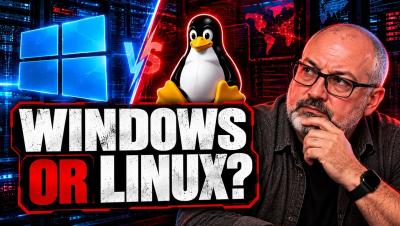
Microsoft Windows has dominated the desktop for decades, but Linux has changed significantly. With growing concerns around privacy, telemetry, Windows Recall, security and Microsoft licensing, the alternatives are becoming harder to ignore. In this Razorwire Raw, James Rees goes back to his IT roots to look at Linux vs Windows and why Linux is becoming a realistic option for individuals and businesses. He also looks at how tools such as Proton and modern AI assistants are making it much easier to build a practical alternative to the traditional Microsoft ecosystem.

AI Security: Are We in the Lull Before the Storm?

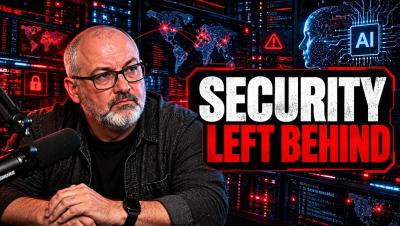
AI adoption is accelerating, cyber attacks are increasing and organisations are transforming faster than their security can keep up. In this Razorwire Raw, James Rees looks at why cybersecurity could be in the lull before the storm. AI agents, vibe coding and automation are changing business at extraordinary speed, while attackers are using the same technology to find vulnerabilities and accelerate attacks.

How to Actually Get in Front of CISOs

Getting in front of CISOs and senior decision-makers is one thing. Getting them genuinely interested is another. Targeted executive dinners can offer better conversations than an expensive conference stand, but only when organisers are realistic about what vendors are actually paying for. Why CISOs Really Attend VIP Dinners Hint- It's Not For You.

See How Many People Fell for My Fake Cybersecurity Award

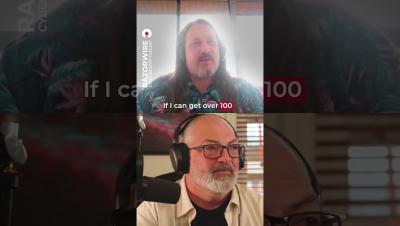
Cybersecurity awards can create credibility surprisingly quickly, even when nobody stops to question where the recognition came from. A fake Canva award for “best shirts in cybersecurity” attracted more than 100 congratulations, demonstrating how easily perceived authority can influence people.