Security | Threat Detection | Cyberattacks | DevSecOps | Compliance

Making Ransomware Recovery a Surefire Thing

Hard question: How do you recover from ransomware? Harder question: How can you prove you can recover? These two questions led our recent Winter Release event, where we discussed how to take the uncertainty out of ransomware recovery and prove that your recovery plan actually works. Read on to see how you can get peace of mind out of your ransomware recovery plan.

December Product Rollup: Watermarking, AutoCAD, and Migration App

‍ 2022 is coming to a close, and we’re excited to bring you one last round of improvements to the Egnyte platform just in time for the beginning of a new year. This month, we’ve got updates to watermarking for viewer-only permissions, UX improvements across the platform, AutoCAD DWG file preview for the Egnyte Android app, and various enhancements to our Migration App. Read all about it below.

Why Do You Need an EV Code Signing Certificate?

You probably know what a code signing certificate is and why it is needed. But for the uninitiated, a code signing certificate is a digital security certificate used by software developers to sign their apps, drivers, software, executable codes, and others. It provides end-users the surety that the software code they received hasn’t been altered or compromised. A Certificate Authority (CA) will provide you with a code signing certificate after conducting the required validation.

Are educational institutions easy victims of ransomware groups?

Ransomware’s new favorite victim is educational institutions. Ransomware attacks, that exploit targets utilizing malicious software code, have increased tremendously over the past few years. In addition to targeting business sectors, cybercriminals are now attempting to ambush the security posture of educational sectors. Educational institutions are an easy prey for ransomware attackers as they lack the fundamental elements of a secured network.

Application Security - The Complete Guide

Application security is an essential part of the software development lifecycle, and getting it right should be a top priority in today’s ever-evolving and expanding digital ecosystem. Application security is the practice of protecting your applications from malicious attacks by detecting and fixing security weaknesses in your applications’ code.

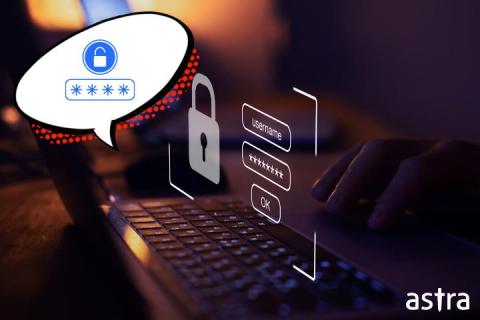
How to Securely Share Passwords with Team Members

Sharing a Netflix account between family members might not seem like a big deal, but shared accounts can put you at risk. Individual users should consider that sharing login details can increase the chances of your details getting into the wrong hands. Shared access between family members is one thing, but what about shared accounts between co-workers?

Securing Windows workloads

Containers are a great way to package applications, with minimal libraries required. It guarantees that you will have the same deployment experience, regardless of where the containers are deployed. Container orchestration software pushes this further by preparing the necessary foundation to create containers at scale. Linux and Windows support containerized applications and can participate in a container orchestration solution.

Latest LastPass security breach highlights developers as a high-value target

Last August, the maintainers of the LastPass cloud-based password manager tool reported a security breach in their servers. The disclosure maintained that an unauthorized party gained access to the LastPass development environment through a single compromised developer account. However – while source code and technical information was stolen, no user data was compromised and no services were interrupted. This specific statement about user data was reiterated many times.