Security | Threat Detection | Cyberattacks | DevSecOps | Compliance

Using ChatGPT to Improve Your Cybersecurity Posture

On November 30, 2022, ChatGPT quaked the digital world, sending a tremor that even rattled the cybersecurity industry. Instead of responding in panic, a more sensible approach is to begin learning how to leverage the technology to streamline your workflow and optimize your skills. In this post, we explain how ChatGPT can be used to improve your cybersecurity posture and data breach resilience.

A Data Leak Detection Guide for the Tech Industry in 2023

In February 2021, UpGuard researchers discovered that 51% of analyzed Fortune 500 companies were leaking information in the metadata of public documents hosted on their websites. This discovery is a window into a broader overlooked cyber threat category, increasing the risk of data breaches in the tech industry - data leaks. Data leaks (often confused with data breaches) help hackers compress the data breach attack pathway, increasing the speed, severity, and frequency of these events.

Snyk in 30: Developer-first security democast

In our latest Snyk in 30 democast, I demonstrated working on an app, starting in an IDE and going all the way to the live app deployed in the cloud. Along the way, I showed how Snyk fits into the tools a real developer might use. Specifically, I focused on the practical aspects of implementing Snyk in a real-world development and cloud environment, answering questions like: I’ll cover some of the main highlights from the presentation in this blog post.

Lockbit Ransomware Gang - Longevity or Downfall?

High-profile ransomware attacks against large businesses and governments have become increasingly popular. They typically occupy news headlines on a monthly basis. As of writing, the most recent, high-profile attack was launched against Porsche, South Africa, where IT systems and some backups were impacted by ransomware from an unknown attacker. The gangs that perpetrate these attacks typically have carefully-crafted, large public personas and engage in significant posturing.

Metrics that Matter: How the New U.S. Cyber Strategy Can Transform Global Cyber Defense

Today’s release of the White House’s National Cybersecurity Strategy is the result of more than a year of government and industry collaboration that sets new boundaries for the government approach needed to improve global cyber defenses. The strategy clearly represents a shift away from decades-old voluntary compliance regimes to a more aggressive regulatory construct that seeks to shift cyber burdens onto providers/developers and owners and operators of critical infrastructure.

Traveling with OAuth - Account Takeover on Booking.com

OAuth (Open Authorization) is a modern, open authorization standard designed to allow cross-application access delegation – for example, allowing your application to read data from your Facebook profile. Combined with the proper extensions, OAuth can also be used for authentication – for example, to log into your application using Google credentials. Since its first introduction in 2006, OAuth has gained tremendous popularity.

The hazards of not using just-in-time (JIT) privileged access in Active Directory

Active Directory (AD) is the foundation of managing identities, provisioning users and issuing permissions to network resources. These permissions range from the lowest levels of access to the highest levels of admin rights for privileged users. While having control over these permission levels is useful, organizations can open themselves up to serious vulnerabilities if they don’t manage the permission levels carefully.

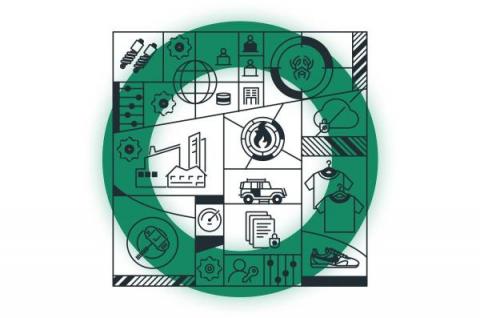
SASE in Manufacturing: Overcoming Security and Connectivity Challenges

Industry 4.0 is revolutionizing the manufacturing industry as we are witnessing numerous innovative technologies such as AI, IoT, and Robotic Process Automation (RPA) helping manufacturers enhance their supply chain, logistics and production lines. While we see these operations evolving into smart factories, the industry still faces challenges that could adversely impact its ability to realize the full potential of Industry 4.0.