Drowning in Data? Endpoint Security "Lifeguard" Strategies Can Help
Just as lifeguards vigilantly safeguard swimmers at the beach, endpoint security plays a critical role in protecting our digital environment.


Just as lifeguards vigilantly safeguard swimmers at the beach, endpoint security plays a critical role in protecting our digital environment.
At TrustCloud, we’re on a mission to democratize compliance, so we’re kicking off GRC Newsflash – a series where our experts give you a quick rundown on the latest buzz happening in the GRC, security, and privacy world. Today’s edition features our Compliance Specialist Frank Kyazze, and covers updates of the NIST Cybersecurity Framework 2.0, announced on August 8, 2023.
Cyberthreats and ransomware attacks can be crippling for municipalities and county government offices. Local government employees need to access a growing number of systems, applications and databases to perform their duties, while the rise of remote work has drastically increased the attack surface of a typical small government office.
Ali Solehdin – Digitaltransactions.net – August 11, 2023 Instances of electronic benefits transfer (EBT) fraud have become more prevalent in the United States as criminals become more brazen and increasingly prey on society’s most vulnerable.
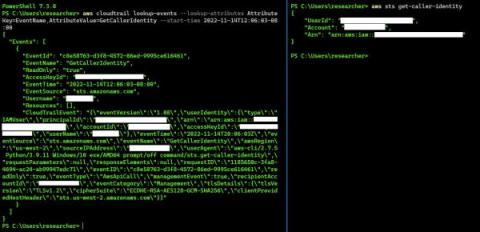
Build secure cloud-native applications by avoiding the top five security pitfalls we lay out in our Secure Cloud-native Development Series. This blog is the second part of the series, and it will teach you how and why to enable logging from the start. We’re going to talk about enabling logging (cloud logging, to be specific). What’s the difference? Not much, other than the fact that it’s another managed service integrated with the tools we should already be utilizing.
Luzerner Kantonalbank (LUKB), the leading bank in the Swiss canton of Lucerne, uses Fireblocks to provide the infrastructure for this new digital asset initiative. Read the blog and watch the video. In an era where digital assets are reshaping the landscape of financial services, Luzerner Kantonalbank (LUKB), the leading bank in the Swiss canton of Lucerne, is at the forefront of innovation.
TMX Finance and related companies are all involved in crisis loans and emergency lending programs. The companies handle financial data for a huge number of individuals throughout the United States, and the different individuals involved with the company could be at risk for this reason. We recently learned that TMX Finance suffered from a data breach that exposed data for nearly 5 million people. News of the breach was just released, but victims may have been exposed for months now.
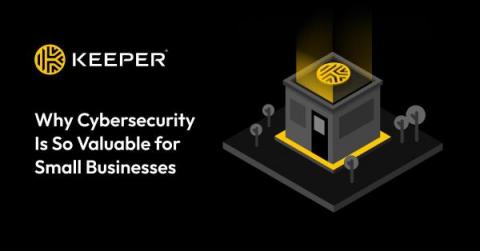
Cybersecurity is extremely valuable for small businesses because it keeps their data secure, improves employee productivity, helps protect their reputation, aids in legal and regulatory compliance, and is cost-effective. Read on to learn more about the value of cybersecurity for small businesses and cybersecurity best practices your business can start implementing today.
More and more organizations are moving towards a cloud-first strategy where they look to move their on-premises applications to SaaS offerings. This is especially true for customers looking to streamline their on-premises Identity Governance and Administration (IGA) application via a move to the Cloud.