As a CurrentWare customer, these quarterly product updates are included at no additional cost as a part of your subscription. Need help upgrading? Our team is here to assist you every step of the way. We offer comprehensive documentation, training resources, and personalized support to ensure a smooth transition. Should you have any questions or need further assistance, please reach out to our support team.
The stark reality of cybersecurity today isn’t merely a question of advanced software or strategic counterattacks. It’s about people. The financial impact is undeniable with cybercrime costs projected to reach an astonishing $10.5 trillion annually by 2025. Yet, beneath these figures lies a more pressing issue: the exploitation of human psychology.
First Financial Security, Inc. (FFS) is a nationwide insurance brokerage agency that assists insurance representatives in training, equipment, and licensing. They offer clients solutions for sustaining retirement funds and financial protection against untimely death, illness, and injury. They partner with other nationally recognized brokers, including Gerber Life Insurance and National Life Group. In October 2023, FFS faced a ransomware cyberattack; months later, the outcome was bittersweet.
The Mirai Botnet, famous for massive DDoS attacks, used SYN flood techniques to hack 600,000 IoT devices. Targets like KrebsOnSecurity, Lonestar cell, and Dyn. The impact cascaded across key service providers that relied on Dyn’s services, affecting entities such as Sony Playstation servers, Amazon, GitHub, Netflix, PayPal, Reddit, and Twitter.
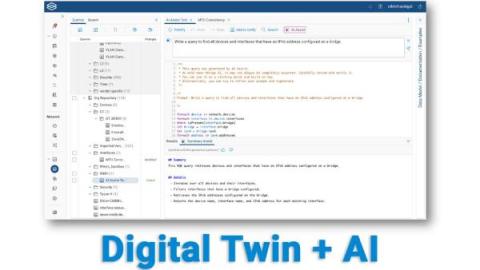
Natural language prompts put the power of NQE into the hands of every networking engineer As featured in Network World, Forward Networks has raised the bar for network digital twin technology with AI Assist. This groundbreaking addition empowers NetOps, SecOps, and CloudOps professionals to harness the comprehensive insights of NQE through natural language prompts to quickly resolve complex network issues. See the feature in action.
Bug bounty hunting is a process where security researchers or hackers actively search for and identify security vulnerabilities or "bugs" in web applications, IoT devices, mobile applications, or even smart contracts. These vulnerabilities can range from relatively simple issues like cross-site scripting (XSS) or SQL injection to more complex and critical weaknesses that could potentially compromise the security and privacy of users' data.
Last week, SecurityScorecard was invited back to participate in the World Economic Forum’s Annual Meeting in Davos, Switzerland. It was a tremendous honor and, once again, we were the only security ratings company present (and one of the few cybersecurity companies). Our team spent the week with a dynamic mix of tech innovators, thought leaders, and heads of state, discussing some of the world’s most pressing political, societal, and economic challenges.
What keeps CISOs up at night? The extended, often unsecured, ever-changing attack surface of critical supply chain vendors providing an unmonitored pathway into their enterprise. Emerging zero-day vulnerabilities, like MOVEit and SolarWinds, are time-sensitive issues that require immediate attention by security teams that are often over-burdened with securing the local enterprise.