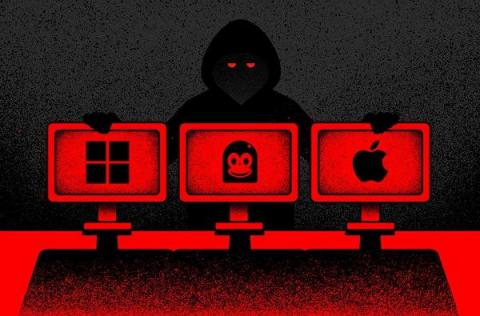
A staggering $1.9 billion in cryptocurrency was stolen by criminals in 2020, a recent report by Finaria reveals. Fortunately, despite the growth of the crypto market, crypto crime has decreased by 57% since 2019, dropping to $1.9 billion. The widespread recent implementation of stronger security measures also means crypto-criminals stole 160% more in value in 2019 than in 2020, despite the similar number of crimes.
Before GDPR, PIA (Privacy Impact Assessment) were a thing. This topic is around privacy impact assessment, its purpose, PIA vs DPIA and includes the underlying context of GDPR compliance. The monotony has been changed since the General Data Protection Regulation (GDPR) came into existence; it has significantly changed the concept of data privacy and security.
Uptime. Reliability. Efficiency. These used to be perks, elements of forward-thinking and premium-level enterprises. Now they’re a baseline expectation. Today, consumers expect information, resources, and services to be available on-demand, updated in real time, and accessible without fuss. Imagine trying to Google something or place an order from Amazon only to be told, “Please try again in 48 hours. Sorry for the inconvenience.”
A DPIA is a Data Protection Impact Assessment. It’s an assessment of the likely impact on data subjects (individual) and their rights, both regarding privacy and freedom to conduct business. The goal: To identify what measures might be needed for compliance with GDPR or equivalent legislation elsewhere in the world before beginning a new process involving personal data that will make it clear how that individual’s right is affected by this project.
The new SANS 2021 Report: Top Skills Analysts Need to Master analyzes the need for organizations to invest in improving their security operations and identifies the skills analysts must master to support this initiative. Characterizing an analyst as essentially an investigator, the SANS report breaks the investigative process down into two primary areas: Investigative Tasks and Investigative Thinking.
Thanks to the growing availability of vaccines and immunization campaigns in multiple countries, the world is starting to see a light at the end of the COVID-19 tunnel. We are eager to return to a new normal, being aware that some changes will be permanent, or if not permanent will strongly characterize the next years.
Open Source software provides the community source code that anyone can inspect, modify, and enhance. OSS is so ubiquitous that it’s even on other planets. This post is for the people who run these projects.
One thing that 2020 taught us is that you can do anything with a mobile device. My smartphone and tablet have become my go-to for shopping, banking, watching TV and video chatting with family and friends. I’m also getting a lot of work done on them. Basically it has become the center of both my personal and professional lives. Here’s the dilemma a lot of organizations are facing: while away from the office, your workers are using their mobile devices to stay productive.
Cybersecurity has always been a significant challenge for businesses, mostly due to the increasing financial and reputational cost of data breaches. As a result, there has been a consistent rise in tactics and technologies used to combat these threats. These methods fulfill the need for better, smarter ways to augment enterprise-level security and minimize mobile security risks.