Security | Threat Detection | Cyberattacks | DevSecOps | Compliance

What is Privileged Access Management (PAM)? Definition & Examples

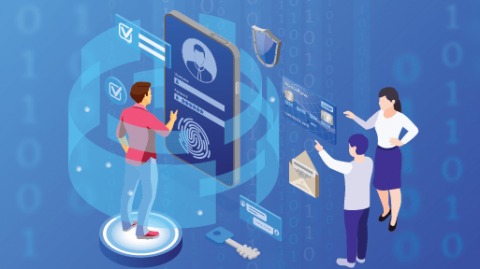
As organizations migrate to the cloud and adopt more “as-a-Service” technologies, identity and access have become the perimeter. Remote workforces mean that limiting access according to the principle of least privilege is a fundamental security control. As part of securing applications and networks, organizations need to focus on users with privileged access because they pose greater insider and credential theft risks.

Stories from the SOC - Data exfiltration

The impact of Data Exfiltration, which is the act of copying or transferring data from a computer or server without authorization, has increased over the years and it can be difficult to detect because data is transferred regularly for normal business purposes. If not monitored accurately, company data can be stolen without anyone being aware. Companies in every industry, no matter the size, have sensitive data that must remain private (e.g. PHI, PII, PCI).

Security Awareness Month: Arctic Wolf Global Survey Shows Users Are Not Properly Prepared to Stop Cyber Attacks

For many cybersecurity professionals, October’s annual "cybersecurity awareness month" is met with scorn and ire, or mocked on social media for likes and hearts. Meanwhile they forget that, outside the small percentage of humanity that exist in our cybersecurity bubble, there are an enormous number of people that can and do benefit from the additional outreach, engagement, and focus that Cybersecurity Awareness Month brings.

4 Ways to Automate Application Security Ops

Maintaining an online business presence nowadays means that malicious actors are going to target and likely exploit any application vulnerabilities they can find sooner or later. According to the 2021 Mid Year Data Breach Report, although the number of breaches has declined by 24%, the staggering number of records that were exposed (18.8 billion) means that there is still room for improvement.

Contextualizing the Ransomware Threat Confronting OT Environments

Back in early June, the U.S. Cybersecurity & Infrastructure Security Agency (CISA) published a fact sheet discussing the rising threat of ransomware to operational technology (OT) assets. This development raises several questions. Why is ransomware a threat to OT environments? And what can organizations do to protect their OT assets against ransomware?

Seven new (and convincing!) phishing scams to watch out for

Cybersecurity would be so much simpler if criminal groups would stick to the same old tried and tested methods. Sadly, that’s never going to happen – they’re persistent and creative. Instead, cybersecurity teams need to keep up to date with the latest tricks in the criminal playbook. There’s no standing still when it comes to cybercrime.

The Changing Role of the CISO

Back in the early days of networking, many companies assigned all of the responsibilities to anyone who showed any aptitude towards operating a computer. In many companies, this was an accountant or someone else who also managed sensitive financial information. The assumption was that the person managing the corporate books was the most trustworthy person in the organization.

Staying sane in cybersecurity and dealing with burnout

World Mental Health Day is recognized annually on October 10. At Detectify, we witness the fast pace of cybersecurity each day and to keep up we sometimes need to slow down. We recognize the important of mental health and this year, we asked Crowdsource hacker and founder of Haksec, Luke “Hakluke” Stephens, to share how he manages stress to avoid burnout as a cybersecurity professional.