Security | Threat Detection | Cyberattacks | DevSecOps | Compliance

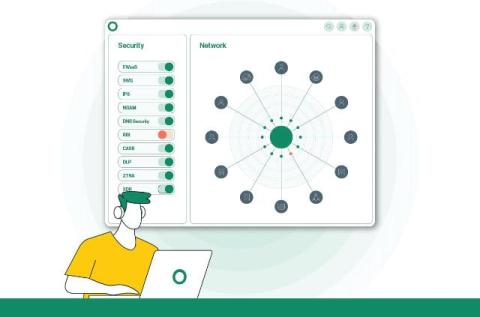
Navigating the complex world of zero trust security

These days, data breaches are as common as morning coffee — but far more bitter. According to Sophos’ State of Ransomware 2023 report, 66% of respondents revealed their organization was hit by ransomware in the last year. SonicWall’s mid-year update to its latest Cyber Threat Report found that internet of things (IoT) malware is up 37% globally from 2021, there’s been a 399% surge in cryptojacking, and encrypted threat attacks have jumped 22% globally.

Cloud penetration testing challenges and techniques

In recent years, cloud computing has become a pivotal element in modern business structure, fundamentally altering how you manage, process and safeguard your data. Its growth isn’t just a trend; it represents a shift in the digital paradigm, offering scalability, efficiency and innovative solutions to complex business needs. But with these advances come new challenges in cybersecurity, particularly in cloud environments.

Quality > Quantity: How to Get the Most Out of SAST

Static Application Security Testing (SAST) has a bit of a bad reputation. SAST tools can produce an overwhelming number of alerts and security teams, having often come from networking backgrounds, don’t always fully understand the alerts that they are passing on to developers for fixes. This can cause the relationships between the teams to sour, as developers often perceive this work as pointless and holding them back from working on their primary responsibilities like new features.
Featured Post

Why Identity is the Cornerstone of a Zero Trust Architecture

As organisations continue to embrace digital transformation to gain access to the cloud's many benefits, this means that computing environments are evolving into borderless IT ecosystems. Digital identities are also evolving at pace and identity security is now a crucial aspect of cybersecurity. As we continue to digitally transform organisations, so the importance of secure and reliable digital identities has grown. 2024 is poised to usher in a multitude of innovations and trends in this area, ranging from advanced biometrics to the integration of artificial intelligence and machine learning to meet the changing needs of businesses, individuals, and governments.

Unfolding the Basics of SaaS Defense

Imagine working in a digital fort-your business's data safely tucked behind the virtual walls of various cloud-based software. Sounds secure, right? But without the right armor, these walls might not be as impenetrable as you think. Enter the world of CSPM, a critical aspect of cloud software security that's all about keeping your data defenses robust and your compliance on point. But before we delve into those strategies, let's consider the susceptibilities.

Practitioner's Corner: Turning Regulatory Compliance into Strategic Opportunity

Cyber risk regulations like NIS2 and DORA in the EU, or PS21/3 in the UK, signal a seismic shift toward strengthening cyber resilience and enforcing accountability. Championing regulations is not just a matter of checking compliance boxes: it’s an opportunity to become a business leader. To enable growth and protect revenue.

Cybersecurity trends for 2024: Your Priorities for the Coming Year

Over the last few weeks I have been catching up with a number of my cybersecurity contacts, primarily engaging with them for new content on our increasingly popular Razorwire podcast. During these conversations, as tends to happen during at this time of year, one of the things I have discussed with these professionals is what are (in their view) some key cybersecurity trends for 2024?

Celebrating new milestones plus enterprise-ready features and more AI capabilities

Today we’re excited to share several milestones as we continue on our mission to secure the internet and protect consumer data. ‍ ‍ ‍ ‍ And we’re just getting started. ‍ As we continue to reimagine GRC tools for the future of trust, we’ve built enterprise-ready features and rolled out additional Vanta AI capabilities along with support for the NIST AI Risk Management Framework. ‍ ‍