In the wake of the pandemic, airlines are fighting back against challenges from all directions this year. Many have banded together to protest government orders around banned routes, Covid testing and post-travel quarantine periods. International holiday-going in 2021 has become an unappealing prospect for many, due to the added expense and inconvenience imposed by Covid restrictions.
When it comes to cybercrime, cybercriminals are constantly changing their tactics. Think back to 10 years ago; malware sites — malicious sites that attempt to install malware on a device – were a common attack vector. At the same time, sophisticated ransomware attacks on organizations were rare. Often, ransomware was used to target individuals, sometimes blackmailing them for having been on unsavory sites and asking for a few hundred dollars in ransom.
Faced with rows of empty gas pumps, many Americans on the East Coast may be wondering why this happened, whether it will happen again, or if there is anything we can do to avoid future catastrophe. The unpleasant truth of the matter is that this will certainly not be the last time society is disrupted due to attackers targeting critical industrial control systems (ICS). The impact of such an attack is amplified by the growing reliance on automation and antiquated protocols throughout many OT networks.
The right-to-left override attack may be unassuming but incredibly malicious. Most people have heard about phishing attacks, but they think that opening a file with the ".txt" extension is harmless.
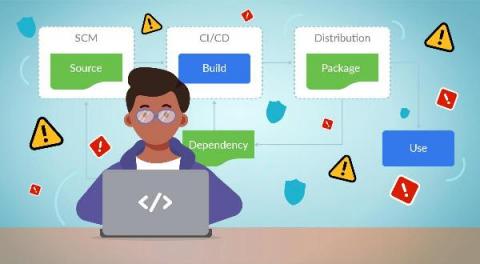
Last month we hosted a webinar dedicated to discussing the issue of codebase security. As trends like secrets and credential exfiltration continue to be of concern within systems like GitHub, threats, such as cryptojacking and supply side attacks, have become more of a problem. This makes understanding key aspects of codebase security very important. That’s why we pulled out 4 lessons from our recent session that developers and security engineers must know.