Security | Threat Detection | Cyberattacks | DevSecOps | Compliance

It's time to change the playbook: Prepare for uncorrelated surprises

Investors came into 2022 feeling good, with a three-year average annual return for the S&P 500 of 24%. In March, things changed. The Federal Reserve raised interest rates, signaling it was time to switch to bonds. The playbook said bonds were the much safer play. Then Russia invaded Ukraine. Commodity prices, especially energy and food, spiked. Supply chains broke. The E.U. faced a winter without enough energy to heat homes or power businesses.

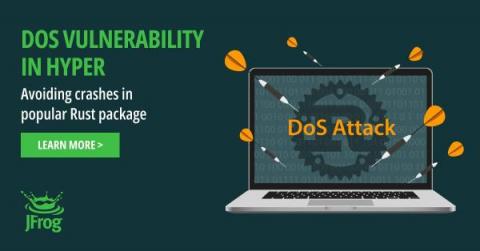
Preventing DoS attacks in Kubernetes using Falco and Calico

A Denial-of-Service (DoS) is an attack meant to shut down a machine or network, making it inaccessible to its intended users, so dos Kubernetes is a potential target. In the case of Distributed Denial-of-Service (DDoS), the attacker will look to maintain some form of anonymity so their activities cannot be traced. They can route traffic through Tor and VPN infrastructure to scan, attack, or compromise the target, while maintaining anonymous communications.

Five worthy reads: Who let the stranger in? Video conferencing attacks

Five worthy reads is a regular column on five noteworthy items we’ve discovered while researching trending and timeless topics. In this edition, we’ll learn about the evolution of video conferencing since the 2020 pandemic, the security challenges faced by video conferencing tools, how companies and governments have acknowledged the risks, and the best practices to avoid such attacks.

New M365 Business Email Compromise Attacks with Rclone

Rclone is a data syncing tool often used by threat actors to exfiltrate data during a ransomware attack. Typically, the actors deploy Rclone after gaining remote access to the victim’s network. However, recently, Kroll experts have noted the use of Rclone in M365, using credentials stolen through network compromises or phishing attacks with minimal privileges to stealthily exfiltrate large amounts of SharePoint/OneDrive data.

3x more subdomain takeovers now discovered

Today, we have over 600+ unique techniques to discover subdomain takeovers in over 2,000 Detectify customers. Identifying subdomain takeovers is tricky business as they rely on signature-based tests which are prone to false positives due to outdated signatures. That’s why we run our subdomain takeover tests on hundreds of thousands of customer assets every day.

DDoS Attacks in the Financial Industry: How to Protect Your Infrastructure and Payments

While Distributed Denial of Service (DDoS) attacks have been around for over a decade, they still continue to evolve and escalate, particularly during 2022. The tense geopolitical situation caused by the Russian invasion of Ukraine has affected the nature and intensity of these types of attacks, making states official participants in the DDoS mitigation market.

Compromising Plaintext Passwords in Active Directory

A lot of attention gets paid to preventing pass-the-hash and pass-the-ticket attacks, but these tactics limit adversaries to what they can perform from the command line. Compromising a plaintext password gives an attacker unlimited access to an account — which can include access to web applications, VPN, email and more. One way to extract plaintext passwords is through Kerberoasting, but this brute-force technique takes a lot of time and patience.