Security | Threat Detection | Cyberattacks | DevSecOps | Compliance

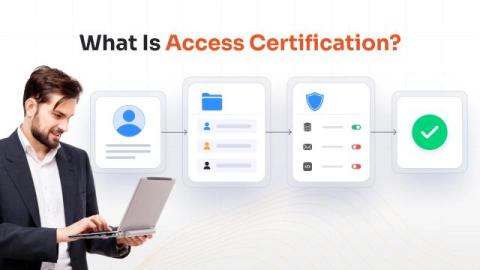
Access Certification: Process, Benefits & Best Practices

Access issues don’t usually come from one big mistake. They build up over time through small decisions. Temporary access gets extended, roles change but permissions stay the same, and vendor accounts remain active longer than expected. Individually, these situations don’t seem urgent but over time, they make it difficult to track who has access to what, and whether that access is still required. This is where access certification becomes important.

How AI Threat Detection Stops Breaches Before They Happen: A No-Fluff Guide

What’s changed in the cybersecurity world after the advent of Artificial Intelligence (AI)? The speed of response has gone up. The Security Operations Center (SOC) and internal cybersecurity teams are able to detect, respond to, and mitigate attacks faster than ever. It’s a no-brainer that AI agents can neutralize identity-based attacks within seconds, before a human analyst checks the alerts.

Why MFA is the Foundation of VPN Security

VPNs have long been considered the backbone of secure remote access, especially as organizations shifted to distributed work environments. By encrypting data in transit, they create a secure tunnel between users and corporate systems. On the surface, this appears sufficient to protect sensitive business operations and internal resources. However, encryption alone does not guarantee security. VPNs do not verify who is accessing the network, only that the connection is valid.

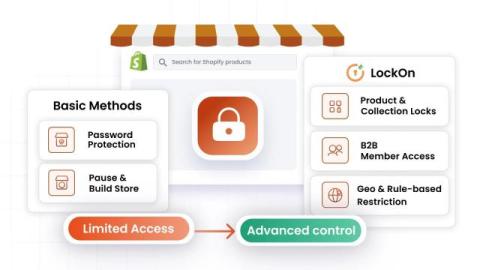
How to Lock Your Shopify Store (Password Protect + Advanced Lock Options)

In Shopify, “locking” your store doesn’t refer to a single built-in function. It can mean different things depending on your objective. For some merchants, it’s as simple as password-protecting the entire storefront during maintenance or pre-launch phases. For others, it involves restricting access to specific products, collections, or pages, especially in B2B or wholesale scenarios where pricing and inventory should only be visible to approved customers.

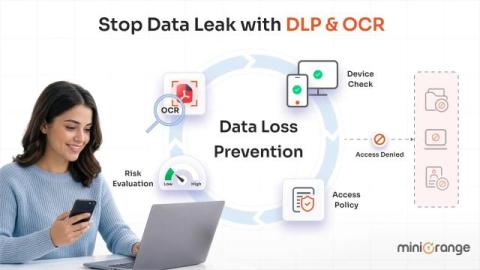
How to Stop Data Leaks Using DLP and OCR?

Data leaks are no longer rare incidents. They have become a constant concern for organizations of all sizes. A single exposed file can lead to compliance violations, financial penalties, and long-term damage to brand reputation. In many cases, the impact builds over time as sensitive data spreads beyond control. At the same time, the nature of data has changed. Important information is no longer limited to structured formats like databases or spreadsheets.

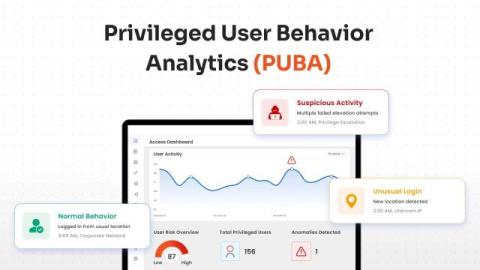
Privileged User Behavior Analytics (PUBA): How It Detects Insider Threats?

Privileged accounts are the most powerful and most vulnerable identities in any organization. System administrators, DevOps engineers, and IT teams have access to core systems, sensitive data, and critical infrastructure. This level of access is essential for daily operations, but it also makes these accounts highly attractive targets for attackers. The real challenge is not just tracking activity, but understanding whether that activity is normal or not.

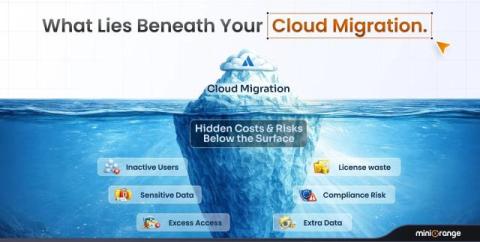
The Hidden Costs of Atlassian Cloud Migration: User Bloat, Sensitive Data, and How to Address Both

The single most common mistake in Atlassian cloud migration projects is treating migration as a straightforward technical exercise, exporting configurations, importing data, and switching environments. In practice, an unprepared migration transfers not just your data, but years of accumulated debt: inactive accounts, overstated license needs, and sensitive information that was never designed to exist in a shared cloud environment.

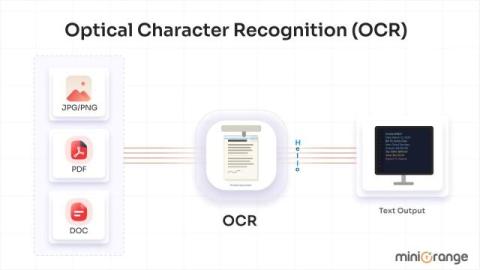
Optical Character Recognition (OCR) Explained

Most corporate work still revolves around documents. Invoices, contracts, onboarding forms, compliance records, and reports are used across teams every day. But a large portion of this information still exists as scanned files, PDFs, or even physical paper. And that creates a problem. You can store documents, but you cannot easily search, analyze, or automate them when the data is locked inside images or scanned files. That is where Optical Character Recognition (OCR) can help.

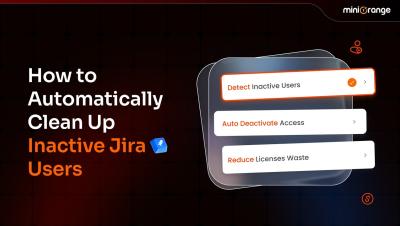
Jira User Management Automation: Auto-Deactivate, Suspend & Delete Inactive Users | miniOrange

Is your Jira user directory cluttered with inactive accounts? Paying for licenses that no one is using? In this video, we walk you through the complete user lifecycle management workflow using the miniOrange Automated User Management app for Jira Cloud, from detecting inactivity to auto-removing access, suspending long-term idle users, and deleting accounts that never returns.

How to Configure Jira OAuth SSO Integration with Google Workspace (Apps) | Step-by-Step Guide

Streamline user authentication in Jira by enabling secure Single Sign-On (SSO) with Google Workspace (Apps) as your Identity Provider (IdP). Using the miniOrange OAuth/OIDC SSO app, you can provide seamless one-click login while keeping user identity centralized and secure. In this video, we guide you through the complete setup process, from creating OAuth credentials in the Google Cloud Console to configuring Jira for SSO. You’ll learn how to set up authorized redirect URIs, obtain client credentials, and map user attributes for a smooth authentication experience.

5 Major Benefits of Automated User Provisioning for JD Edwards

Managing JD Edwards user access by hand quickly becomes a hardship, especially as your team grows and roles shift constantly. You end up with deprovisioning that drags on for weeks, role assignments that don't match job descriptions, and audit trails scattered across emails and spreadsheets. These aren't one-off problems. They happen predictably when manual processes try to handle enterprise-scale demands in a fast-moving business environment.

Secure SSO: How Multi-Factor Authentication Strengthens Single Sign-On Security

The most common first move in a modern cyberattack isn't a zero-day exploit or a piece of custom malware. It's a username and a password. Attackers know that credential theft is the fastest path into an enterprise network. And when an organization implements Single Sign-On (SSO), that path gets shorter. One stolen credential equals access to dozens of applications.

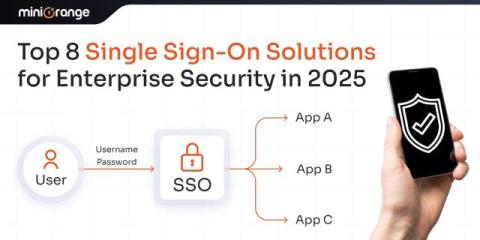
Top 9 Single Sign-On Solutions for Enterprise Security in 2026

Cybercrime is costing the world $10.5 trillion in 2025, and it’s not going to get better any time soon. Cybercriminals are exploiting vulnerable access controls, making identity the new parameter for security breaches. This is creating hurdles for the enterprises in protecting user access across several devices, applications, and cloud infrastructures. Handling data for multiple users while maintaining a flawless user experience can be hectic for the IT teams.

Top MFA Providers in 2026: A Complete Guide

In 2026, the stakes around identity security are higher than ever, and choosing the right multi-factor authentication (MFA) provider can directly influence how resilient your organization is against modern attacks. Cybercriminals are increasingly bypassing weak or legacy authentication using phishing, credential stuffing, and social engineering, which makes static passwords alone effectively obsolete.

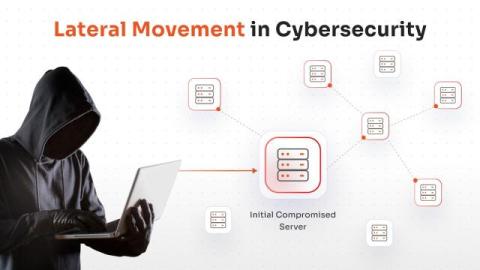
How to Detect and Prevent Lateral Movement Attacks

A few years ago, during a routine investigation after a phishing incident, the security team believed the damage was contained. During the attack, one employee’s laptop was compromised. The security team removed the malware and the password was reset. But the next morning, when analysts started reviewing authentication logs, something odd appeared. The same compromised account had logged into three internal servers overnight. Then a database server. Then a backup controller.

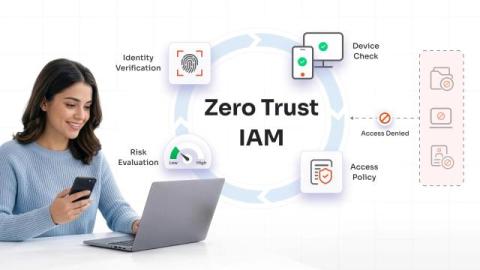
Zero Trust IAM: Why Modern IAM is the Foundation of the Zero Trust Framework

For years, cybersecurity relied on a secure network perimeter, where users were trusted once inside. This approach was effective when everything was contained in a controlled environment, but it no longer works today. Modern organizations operate across cloud platforms, SaaS, mobile devices, and distributed teams. Employees and partners connect from various locations while APIs exchange data. As a result, the traditional network boundary no longer exists.

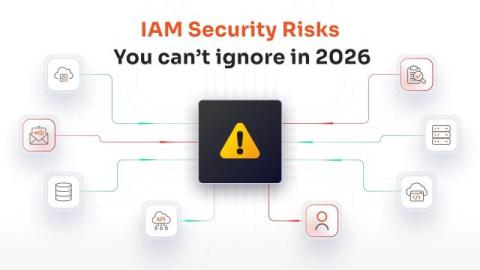
IAM Security Risks You Can't Ignore in 2026

If you’re using an Identity and Access Management (IAM) solution for safeguarding employee and customer accounts, then you must know about the IAM security risks. This is to account for the possible gaps and work on them. Identity security risks are no longer limited to not meeting checklists, but have shifted to a dynamic approach. A continuous, real-time, and risk-based approach is the new norm.

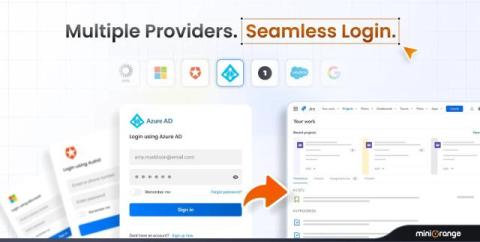
Multiple SAML/OAuth Providers in Atlassian Cloud: Skip the Enterprise Tier with miniOrange

Consider this: Your employees log in through Azure AD. Your contractors use Google. Your vendors authenticate via Okta. Your JSM customers are on AWS Cognito. Four identity systems. One Atlassian instance. And natively, only one identity provider is allowed. That is not a configuration oversight, it is a hard limit built into Atlassian Cloud.

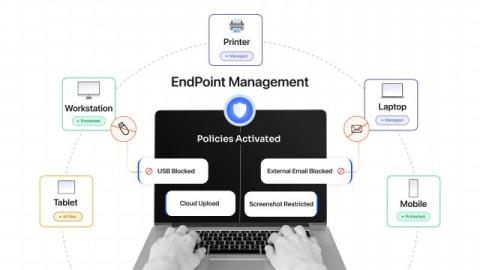
What is Endpoint Management? Complete Guide for IT Admins

Most organizations don’t struggle with managing devices in the beginning. A few laptops, some smartphones and tablets, everything feels under control. The problem starts when things scale. More devices get added. Teams start working remotely. Different operating systems and use cases come into play. Over time, it becomes harder to track what’s connected, what’s updated, and what’s secure. That’s when endpoint management stops being optional.

How to Hide Products Based on Customer Tags in Shopify

As Shopify stores scale, product visibility needs to be more controlled; merchants handling different customer types often prefer not to expose products to everyone. Whether you’re managing B2B catalogs or exclusive offerings, the ability to restrict products by customer tags in Shopify becomes essential. While customer tags are useful for categorization, Shopify doesn’t provide built-in functionality to link those tags with product visibility.

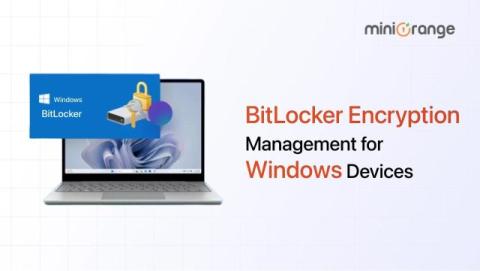
BitLocker Encryption Management for Windows Devices

Every Windows laptop used in your organization carries sensitive data: customer records, internal documents, credentials, and intellectual property. If even one of those devices is lost or stolen without encryption, the consequences can be severe. According to industry insights, over 70% of data breaches originate at endpoint devices, highlighting the growing risk posed by unmanaged devices.

10 Fantastic SSO Platforms for the Best Enterprise Security

In 2026, Single Sign-On (SSO) is no longer just a convenience feature. It has become a foundational pillar of enterprise security, user experience, and IT governance. As organizations accelerate cloud adoption and expand their SaaS ecosystems, the demand for the best SSO solutions has never been higher.