Security | Threat Detection | Cyberattacks | DevSecOps | Compliance

Preventing Data Breaches in User-Developed AI Applications on Low-Code Platforms

As more and more companies adopt low-code platforms and launch AI applications, the need for proper data security has never been greater. While it’s true that low-code platforms give users the freedom to develop powerful AI solutions with minimal programming knowledge or experience, this same level of flexibility also inadvertently exposes applications to potential data breaches.
Utilizing Zenity's Security Suite to Detect and Mitigate AI Vulnerabilities in Real-Time

AI has completely changed how we live, work and play. With its unparalleled efficiency, ongoing learning abilities and its detailed precision, it makes short work out of what used to be more complex and cumbersome tasks. Although AI systems are incredibly powerful and only growing in capacity and scale, they’re not without their challenges. Like other types of programs and infrastructures, AI is not immune to vulnerabilities and security issues.

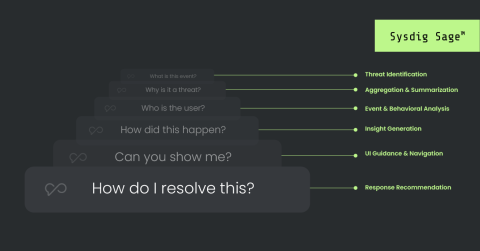
Sysdig Sage: A groundbreaking AI security analyst

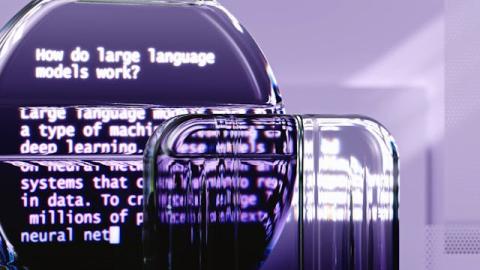
Generative AI (GenAI) is a top priority for organizations looking to increase productivity and solve business problems faster. In cloud security, AI chatbots to aid security practitioners are becoming more common, but to date, most of these solutions offer only basic queries and summarization. Diverse cloud environments and evolving threats require more from an AI security analyst.

Sysdig Sage for CDR: Accelerate analysis, investigation and response

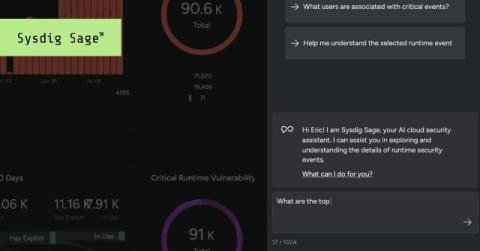
Last year, Sysdig outlined our vision for an AI-driven cloud security assistant. Today, we are excited to announce Sysdig Sage for cloud detection and response (CDR), our new release that embodies our vision. Built upon the core principles we introduced, Sysdig Sage offers actionable insights for cloud environments, with a focus on CDR.

Sysdig Sage for Cloud Detection and Response

AI has supercharged cloud attacks - they are faster, more complex, and more sophisticated It's time for defenders to harness this powerful technology for good. Meet Sysdig Sage, the first AI cloud security analyst capable of multistep reasoning. Sysdig Sage goes beyond simple summarisation. It is context-aware. It is able to control the UI and move you across the platform. With Sysdig Sage on your side, investigating threats in real time is easier than ever.

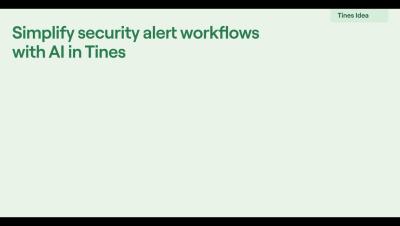
Tines Idea: Simplify Security Alerts with AI in Tines

From transforming data with a prompt and generated code, to directly accessing and using a language model in your workflows, our AI features make automation even more accessible and efficient for anyone in your organization. Learn how you can take multi-source security alert workflows from 25 actions to 3, reducing the potential for error and making it simpler to make updates like adding sources, change rule definitions, and more.

Safeguarding Sensitive Data in the Age of AI: Tips for Using ChatGPT and Similar Generative AI Tools

Learn key strategies for protecting sensitive data when using ChatGPT and other generative AI tools. Discover best practices for compliance, access control, and system updates to ensure data security.

Outpost24 Launches AI Domain Discovery in External Attack Surface Management

Outpost24 is pleased to announce the integration of a new Artificial Intelligence (AI) assistant into its Exposure Management Platform. This groundbreaking AI Domain Discovery feature enables Outpost24 customers to effortlessly identify domains belonging to their organization, significantly improving the speed and accuracy of domain ownership and classification.

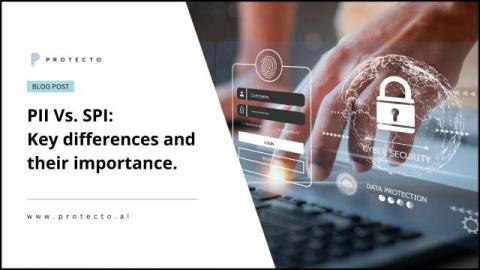
PII vs. SPI: Key Differences and Their Importance

Personal Information (PI) encompasses any data that can identify an individual, either directly or indirectly. This includes basic information such as names and addresses. It also includes more specific details like Social Security Numbers (SSN) and biometric data. Understanding the difference between Personally Identifiable Information (PII) and Sensitive Personal Information (SPI) is crucial for effective data protection.