Security | Threat Detection | Cyberattacks | DevSecOps | Compliance

Zero Trust Network Access (ZTNA) explained

This blog was written by a third party author In today’s ever-changing cybersecurity landscape, Zero Trust is here to stay. Before the concept of Zero Trust was well known, organizations followed the belief that anything within the network is trusted, and anything outside of it is untrusted. Zero trust is built on the idea that all traffic, whether incoming or outgoing, should be inspected, regardless of the source.

Zero Trust security model explained: what is Zero Trust?

This blog was written by a third party author Zero Trust is a cybersecurity model with a tenet that any endpoint connecting to a network should not be trusted by default. With Zero Trust, everything and everyone— including users, devices, endpoints —must be properly verified before access to the network is allowed.

Why Zero Trust in IAM is the new way forward

The increasing adoption of cloud applications and an expanding remote workforce are redefining network security. In a traditional setting, the emphasis was on perimeter-based security—assuming that everything behind the corporate firewall is safe. However, it’s clear that organizations have to rethink the philosophy of implicit trust in a corporate network.

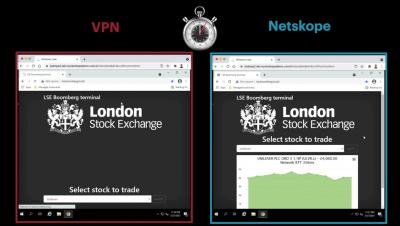
VPNs and Zero Trust: Thoughts on the Evolving Nature of Remote Access

Organizations of all sizes are currently under siege by adversaries with unlimited time and enough technical skill to exploit the cracks in our information systems and networks. All organizations have something to protect, whether large or small, and they are always looking for new technology to help against these adversaries. Zero Trust has become the latest framework to solve all of our security woes.

Gravitational Teleport: Zero Trust Access that does not get in the way.

Gravitational Teleport is an open-source alternative to OpenSSH. This video is a brief overview of how Teleport provides secure access to cloud infrastructure via SSH, Kubernetes and Web Apps without getting in the way of existing developer workflows.

From Zero to Zero Trust

Blockchain, IOT, Neural Networks, Edge Computing, Zero Trust. I played buzzword bingo at RSA 2020, where the phrase dominated the entire venue. Zero Trust is a conceptual framework for cybersecurity that characterizes the principles required to protect modern organizations with distributed infrastructure, remote workforces, and web connected applications.

7 key steps to Zero Trust

This is part 3 of a 3 part blog series My last two blog entries provided some key elements of a Zero Trust Network (ZTN), which focused on the tenets of zero trust and how the confidence is gained for untrusted traffic and authorized on a continual basis. The comprehensive nature of Zero Trust can be a little overwhelming in a world of limited resources, time and budgets.