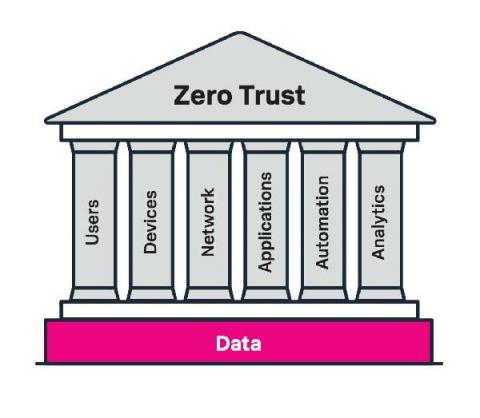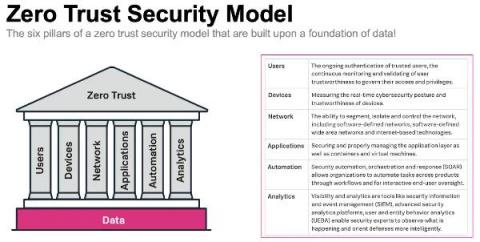
The biggest fundamental shift in the era of digital transformation is that data is no longer on a CPU that the enterprise owns. Security teams focused on cloud must invest in the right technology to achieve more complete data protection, and we all need to ensure Zero Trust principles are applied everywhere data needs protection. At Netskope, we describe this as Zero Trust Data Protection. In its simplest form, Zero Trust means: Don’t trust the things you do not need to trust.
What is a strategy? As defined by Merriam Webster…. ‘a carefully developed plan or method for achieving a goal or the skill in developing and undertaking such a plan or method.’ A cybersecurity strategy is extremely important, but many organizations lack a strategy, or they have not kept their strategy and subsequent roadmap current. A strategy is especially important in this day of digital transformation and for key initiatives like Zero Trust.
(Guest Blog) For decades, companies have relied on perimeter protection solutions to restrict their digital resources. These included passwords to authenticate users, intrusion detection systems and firewalls. With time, passwords became inadequate in preventing unauthorized access, and most shifted to two-factor authentication systems like one-time SMS codes or tokens. This change significantly enhanced security, but the approach only focused on securing the perimeter.
With the Defense Department’s quick and successful pivot to a remote workforce last Spring via its Commercial Virtual Remote (CVR) environment, it proved that the future to fully operate from anywhere in the world is now. Gone are the days of thousands of civilian employees heading into the Pentagon or other installations everyday. However, with this new disparate workforce comes increased risks for network security. As my colleague Bill Wright expertly noted last Summer.
The SolarWinds supply chain attack has rocked the business world, stirring a whirlwind of supply chain security evaluations. The pernicious effects of the SolarWinds cyberattack (which is likely to take months to fully comprehend) reveals an uncomfortable truth causing stakeholders globally to reconsider their business model - vendors introduce a significant security risk to an organization.
Hackers are continually finding more and more pathways into an organization’s internal environment. Not only is access widely available, it can also be alarmingly simple. Rather than having to actively hack systems, hackers often just log in using easily-obtained or compromised user identities and credentials.
Network security has changed a lot over the years, it had to. From wide open infrastructures to tightly controlled environments, the standard practices of network security have grown more and more sophisticated. This post will take us back in time to look at the journey that a typical network has been on over the past 15+ years. From a wide open, “chewy” network, all the way to zero trust networking. Let’s get started.