We’ve spoken extensively about the importance of taking a data-driven approach to Vulnerability Management. In short the efficiency and effectiveness of vulnerability management processes depend heavily on inclusion of threat intelligence for both prioritization and response activities. At any given time, only a small fraction of existing vulnerabilities are actively exploited or exploitable.
Newer OpenSSL vulnerabilities are identified regularly by genuine security researchers or come to light as zero-day vulnerabilities when exploited by threat actors. While patching the bugs and OpenSSL vulnerabilities are important, organizations cannot wait for and rely just on patches to protect their websites. They need to be proactive in identifying and securing these vulnerabilities before attackers can find and exploit them.
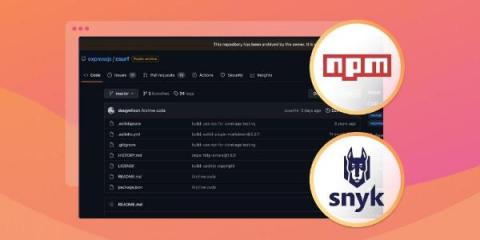
On September 11th, 2022, Snyk published a vulnerability report for the popular CSRF token management csurf npm package. The vulnerability impacts all known versions, which are currently yielding more than 400,000 downloads per week. The vulnerability report is based on the public disclosure by security consultant Adrian Tiron and their write-up on the Fortbridge blog.
For the past few days, I’ve been getting a lot of messages asking about my experience at this year’s Black Hat USA. So in this post, I’ll be recapping the conference to give you an inside look at what was presented and provide some helpful perspective. Black Hat is one of the largest — and most talked about — cybersecurity conferences. Its inception dates back to 1997.