What Is Consent Management and Why Is It Important
Consumers are becoming concerned about their personal data and how it is used. In this article, we explain what consent management is and why it's important.


Dridex, also known as Cridex or Bugat, is a banking Trojan that has been active since 2011. The malware is primarily used to steal sensitive information, such as login credentials and financial information, from victims. Dridex is known for its ability to evade detection by using dynamic configuration files and hiding its servers behind proxy layers.
The Rising Threat of Traffers report, compiled by Outpost24’s Threat Intelligence team, KrakenLabs, provides a deep dive into the credential theft ecosystem, and encourages organizations to evaluate their security measures against these evolving threats. In recent years, the theft of credentials has evolved into a highly professionalized cybercriminal activity.
With many financial institutions continuing to feel an impact from The Great Resignation, and seeing tighter budgets across the board in 2023, security leaders are being asked to do more with less. So far in 2023, many organizations are hesitant to hire additional staff or even backfill open positions—forcing many security leaders to make do with fewer people than in the past.
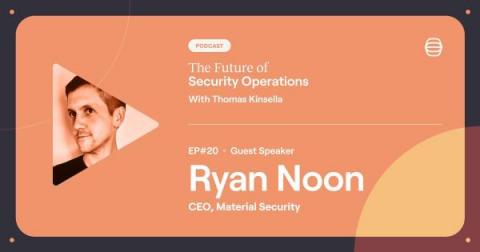
In this episode of Future of Security Operations, Thomas speaks with Ryan Noon, Founder and CEO of Material Security, a company that protects the email of high-risk VIPs and top global organizations. A serial entrepreneur and an expert on cloud security, Ryan previously ran infrastructure teams at Dropbox after it acquired his last company, Parastructure. Before that, he helped build a company spun out of Stanford by the Department of Defense.
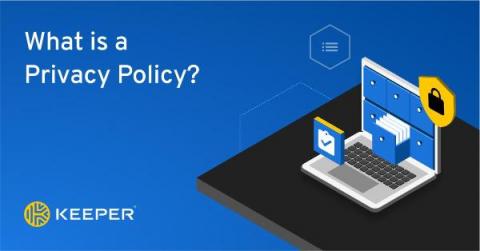
A privacy policy is a statement that companies have on their website that informs users about the collection, processing, protection and use of their private data. Users are often prompted to review and accept privacy policies, but many of them don’t read through these policies because they don’t think it’s necessary. It’s important to read through these policies to know what information is being collected and how it’s being used.
The cybersecurity industry is constantly adapting and reinventing itself as the complexity of the threat landscape is increasing each year. Unskilled and insufficient employees are significant barriers making organizations unsafe. The lack of competent cybersecurity partners and the shift to remote working are additional barriers to making organizations secure. Organizations are therefore turning to MSPs to address these challenges.