Security | Threat Detection | Cyberattacks | DevSecOps | Compliance

Two Reporting Clocks on One AI Product, Only One Running

An AI product sold in Europe is described as facing two incident reporting duties. One under product security rules and one under AI rules, with different triggers and different deadlines. ‍ Only one of them is running. Article 14 of the Cyber Resilience Act has applied since 11 September 2026. The AI duty moved, and coverage published in the last few weeks still describes it as live. ‍

AI Governance as a Condition of Writing Coverage

Insurers are subject to AI governance rules and they are also the party asking other organizations AI governance questions as a condition of coverage. More than twenty states have adopted the model bulletin that turns AI oversight into an operational requirement for carriers, and those same carriers now send AI questionnaires to their corporate insureds. ‍ The sector facing both is well covered. What follows from it is not, and it produces something an insured can use. ‍

Security Interviews Should Leave Room for What Remains Unknown

An incident story can sound impressively clear once everyone knows how it ended. The suspicious login becomes an obvious warning, the escalation looks inevitable, and the response appears to follow a straight path. A security interviewer needs to look earlier in the story, when the candidate had incomplete information and still had to choose what to do.

AI for Career Development: From Skill Assessment to Professional Growth

Most professionals don't have a clear picture of how their skills compared to what employers are actually looking for. This is a gap that career coaching has traditionally tried to fill, but the process was often slow and based on limited information. AI now makes it possible to assess your skills accurately and get direct, data-backed guidance on what to improve. In this article, we'll look at how AI is changing skill assessment, professional growth, and the broader career development process - from the moment you evaluate your abilities to the moment you land a role that actually fits.

Bitdeer Extends Its Infrastructure Strategy From Bitcoin Mining to Full-Stack AI Cloud and Model Studio

Every mining cycle returns to the same unromantic question: what does one megawatt earn after the electricity bill? As hashprice narrows the margin on mining hardware, AI workloads offer power-rich operators another source of revenue. Bitdeer's move into full-stack AI Cloud is therefore less a change of identity than a change in how infrastructure gets paid.

CVSS Measures Severity. Risk Requires Context.

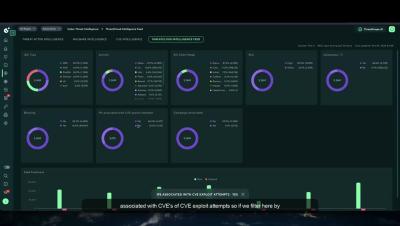
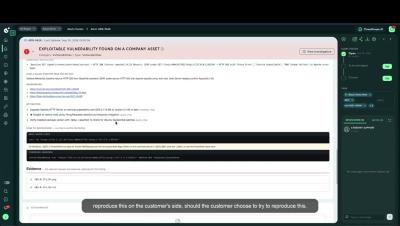
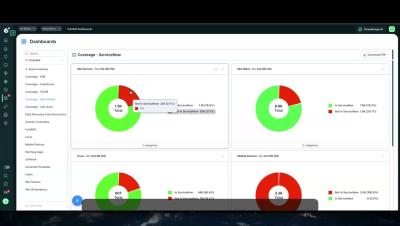
CVSS remains a valuable tool for understanding vulnerability severity, but severity and risk are not the same. In this video, we explore why effective risk management requires additional context, including asset reachability, business impact, remediation timelines, and an organization's ability to reduce exposure. CVSS can help start the conversation, but it shouldn't be the only factor driving prioritization decisions.

List of Best VMware Alternatives in the UAE

If you're a CIO in the UAE, you've probably had at least one conversation this year about what happens after VMware. Broadcom's licensing changes shook up a lot of long-term customers, and plenty of IT teams here are quietly running the numbers on what a move would cost. The good news is you're not short on options. The tricky part is that "VMware alternatives" in the UAE cover two different paths, and mixing them up leads to messy decisions.

How to secure Exchange Server beyond the CVE-2026-62911 fix

Remote access has always been a core part of how on-premises Exchange works. Users need OWA to read their email from outside the office. Their devices need Autodiscover to set themselves up automatically. Keeping both reachable means keeping Exchange accessible from the Internet, and that opens up more of the server than most organisations realise. CVE-2026-62911 is the latest example. Microsoft released the fix on August 11, 2026.