Security | Threat Detection | Cyberattacks | DevSecOps | Compliance

Selecting the Best UAM Tool: Key Features to Look For

The biggest risk to your organization’s security might be lurking inside your perimeter. That’s why selecting the right user activity monitoring (UAM) solution can make the difference between catching early signs of a threat or suffering damaging security incidents. In this article, we’ll review the features you must demand from an effective UAM tool to secure your organization from within.

How to Protect Manufacturing from Insider Threats: 7 Key Measures

Manufacturing is the core of the global economy, yet it is the most attacked industry today. And while much of the attention falls on external attackers, an equally dangerous risk comes from within. This article explores the unique cybersecurity challenges manufacturing organizations face, shows you real-life examples of manufacturing data breaches caused by insiders, and provides seven key measures to help you build a resilient insider threat program.

Privileged Session Management (PSM): How It Strengthens Data Security

A single negligent click, command, or keystroke by a privileged user can let cybercriminals enter your network. This is where privileged session management (PSM) comes in. PSM enables you to monitor high-risk sessions and detect suspicious activity in real time, preventing insider and external threats from going unnoticed. In this article, we explain why PSM is critical in cybersecurity and how it can protect your sensitive data from threats.

Why Do You Need a Just-in-Time PAM Approach?

Privileged accounts are keys to critical systems and data. These keys can be dangerous if misused. The just-in-time (JIT) approach to privileged access management (PAM) solves this issue by aligning access, user needs, and time. In this post, we explain what just-in-time privileged access management is and how it helps organizations enhance their cybersecurity.

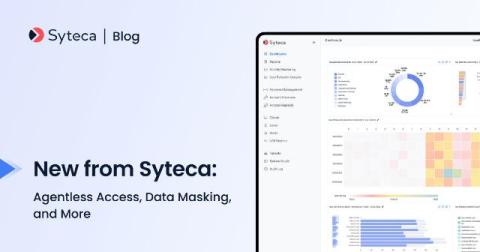
New in Syteca Release 7.21: Agentless Access, Sensitive Data Masking, and Smooth Session Playback

Syteca, a global cybersecurity provider, introduced the latest release of its platform, continuing the mission to help organizations reduce insider risks and ensure sensitive data protection. Syteca 7.21 is a major update designed to enhance user privacy, simplify access management, provide seamless oversight, and improve the user experience. With release 7.21, Syteca delivers a set of new capabilities, from masking sensitive information in real time to simplifying remote access. These new features help address the most pressing challenges faced by security teams worldwide.

What is a HIPAA Violation? Fines and Penalties for Failed HIPAA Compliance

Complying with HIPAA is tricky, as it consists of multiple rules and requirements. However, following them is a must if you want to secure your data and avoid penalties. In this article, we discuss common types of HIPAA violations and the penalties you could face for breaking this law. Find out below how to ensure HIPAA compliance for your healthcare organization and the security of patient information you collect.

Syteca Release 7.21 Is Live - See What's New

At Syteca, we don’t build features for the sake of it — we build them to solve real problems. That’s why we’re proud to launch Syteca’s newest release: a meaningful upgrade built around the needs of our clients. From a fresh visual design and data masking to agentless access and enhanced session playback, this update addresses the real needs of IT teams for better data privacy, simplified access management, and seamless oversight.

Shared Workstations Expose Your Production Business: Here's How to Protect Them

Shared workstations are essential to productivity in manufacturing, but they can also create blind spots in your organization’s security. Inadequate identity verification, poor security practices, and a lack of accountability make them a prime target for ransomware, phishing, and insider attacks. Security leaders often aren’t sure about where to begin when securing shared workstations.

10 Information Security Policies Every Organization Should Implement

Creating and implementing information security policies (ISPs) may seem like a formality to some. However, ISPs form the backbone of your data security posture. Information security policies and procedures can help you prevent data breaches, legal penalties, and financial losses by defining what’s allowed within your organization and what’s not. Developing an efficient security policy can seem like a lengthy and daunting task.

How Banks and Financial Institutions Can Effectively Manage Third-Party Vendor Risks

While financial institutions enjoy many benefits from cooperating with third-party service providers, this cooperation also raises significant concerns regarding the security of the data and resources these vendors have access to. In this article, we discuss why financial institutions hire independent contractors and what cybersecurity risks this cooperation entails. We also explore how building a third-party vendor risk management program can help you mitigate these risks.