Security | Threat Detection | Cyberattacks | DevSecOps | Compliance

Shadow IT: What Are the Risks and How Can You Mitigate Them?

Using unapproved tools, software, and devices poses a significant risk to your organization. You never know what vulnerabilities so-called “shadow IT” may introduce, leaving your sensitive data and systems exposed to potential threats. In this article, we define the term shadow IT and explore several reasons why employees use unapproved software.

10 Privileged Access Management Best Practices

Privileged access management (PAM) is the cornerstone of data security and operational efficiency. A well-structured PAM strategy not only reduces the risk of security threats but also enhances IT processes and productivity in an organization. However, implementing an effective PAM strategy requires a comprehensive approach.

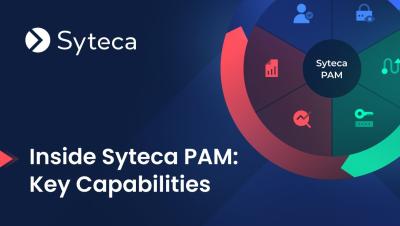
Syteca Privileged Access Management: Key Features

What’s Inside Syteca Privileged Access Management? Get a clear, visual breakdown of the key capabilities included in Syteca PAM — a fast-to-deploy, easy-to-scale solution for securing privileged access and simplifying compliance. Key Features: Account discovery and onboarding to eliminate security gaps Granular access controls for precise privilege management Privileged session monitoring with real-time visibility Credential management & vaulting to secure sensitive data Comprehensive audit logs & reporting for compliance.

5 Best Practices to Prepare for NIS2 Compliance

Organizations must always be aware of the constantly changing compliance landscape to protect their sensitive assets and avoid paying millions in fines. The rapid development of cyber threats fueled by the global pandemic and cyberwarfare has forced the European Union (EU) to update its NIS Directive. We understand the pain of having to read hundreds of requirements and legislation documents, so we’ve done it for you.

What Is Two-Factor Authentication (2FA)? Definition, Types, and Benefits

Passwords alone are no longer enough to protect your IT environment. With cyberattacks becoming more sophisticated, two-factor authentication (2FA) has become essential to today’s cybersecurity strategies. It verifies who users are by requiring two different forms of identification, adding an extra layer of security to your accounts and systems.

More than Security: PAM's Impact on Your Business Operations, Productivity, and ROI

Privileged access management is no longer just a security tool — it’s a strategic asset that impacts business operations, productivity, and return on investment (ROI). In this article, you’ll discover how PAM in business not only mitigates cybersecurity risks but also streamlines IT operations, reduces costs, and enhances employee efficiency.

8 Best Practices for Reducing the Risk of Password Attacks

Passwords to your employees’ and vendors’ accounts serve as gateways to your enterprise’s most sensitive information. Without proper password management, these accounts can fall prey to password attacks, impacting your business processes, finances, and reputation. In this article, we’ll explore the most common types of password attacks in cybersecurity and outline eight password attack prevention best practices to safeguard your organization.

Password Policy Compliance Overview: NIST 800-63, HIPAA, PCI DSS, and the GDPR

In the digital age, where cyber threats loom large and data breaches have become all too common, the humble password remains a vital security gatekeeper. Yet, with stolen credentials accounting for 31% of breaches, according to Verizon’s 2024 Data Breach Investigations Report, it’s clear that organizations often fail to protect passwords.

Major Supply Chain Cybersecurity Concerns and 7 Best Practices to Address Them

In today’s interconnected world, supply chains are essential for nearly every product and service. Yet, this interconnectedness comes with vulnerabilities. In fact, 41% of organizations that suffered material impacts from a cyberattack in 2023 report that those cyberattacks originated from a third party, according to the 2024 Global Cybersecurity Outlook by the World Economic Forum. What supply chain security issues might your organization face?

Data Exfiltration: What It Is, Examples, and Prevention Tips

Data security is vital to your organization’s well-being. A single data breach costs $4.88 million on average, according to IMB’s Cost of a Data Breach Report 2024. Besides financial losses, data exfiltration may damage a brand’s reputation, cause operational disruptions, and result in legal actions. Therefore, giving maximum attention to your cybersecurity measures and constantly enhancing them is a must.