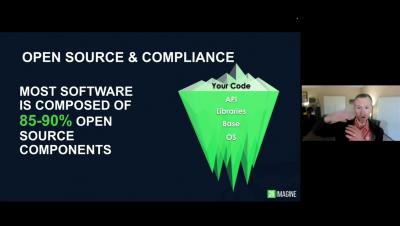
In 2022, nearly 1,700 entities across the globe fell victim to software supply chain attacks, impacting over 10 million people. Nearly each of these attacks included some element of faulty or nefarious open-source code. Software developers commonly rely on open-source components to speed up the development process, but as we can see, this practice has the potential to introduce malicious packages and vulnerabilities into the code due to the lack of proper curation and maintenance.
When it comes to applications and software, the key word is ‘more.’ Driven by the needs of a digital economy, businesses depend more and more on applications for everything from simplifying business operations to creating innovative new revenue opportunities. Cloud-native application development adds even more fuel to the fire. However, that word works both ways: Those applications are often more complex and use open-source code that contains more vulnerabilities than ever before.
The supply chain, already fragile in the USA, is at severe and significant risk of damage by cyberattacks. According to research analyzed by Forbes, supply chain attacks now account for a huge 62% of all commercial attacks, a clear indication of the scale of the challenge faced by the supply chain and the logistics industry as a whole.
For threat actors looking to create widespread damage, attacking a third-party supplier with services and software that organizations can’t always control the security measures for continues to be an enticing target. The supply chain is now the weakest link.