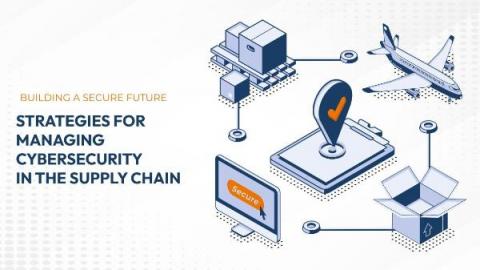
The supply chain is a complex environment that goes deep inside a business and involves the majority of its infrastructure, operations, personnel, and outer relations: vendors, partners, and customers. To protect that matrix is extremely difficult, as there are numerous sensitive nodes, lines, and processes that a security team has to take care of: software and hardware resources, cloud, hybrid and local environments, platforms, and web apps.
Supply chain attacks have been on the rise in the last few years, rapidly becoming one of the most dangerous security threats. This article highlights some of the most noteworthy supply chain incidents observed in 2022.
Welcome to the second post in our series on Malicious Software Packages. This post focuses on the infection methods attackers use to spread malicious packages, and how the JFrog Security research team unveiled them.
Can you imagine a world without software? No, neither can I. The same goes for many other technology-based products, such as cell phones. Software is everywhere and it’s critical to businesses of all sizes. In this article, we discuss the software supply chain risk management process needed to protect your business from risks in the software supply chain and how that affects product development speed in what seems like an ever-changing market landscape.
Welcome to the first post of the malicious software packages series for the DevOps and DevSecOps community. Each Monday, this technical series will focus on various malicious packages and their effects on the software supply chain, all published over the next four weeks. We’ll dive deeper into malicious packages in each post, including Here we go. Let’s discuss malicious software packages in your software supply chain.