Security | Threat Detection | Cyberattacks | DevSecOps | Compliance

Smart Devices | #CybersecurityAwarenessMonth

The usage of smart devices is quickly surging. In the 8th episode of the Little lessons in cybersecurity series, let's stop for a minute and look at how these devices can be exploited by hackers and how we can be vigilant with them. Head to the link here for some more interesting takes on casual habits that invite cyberthreats.

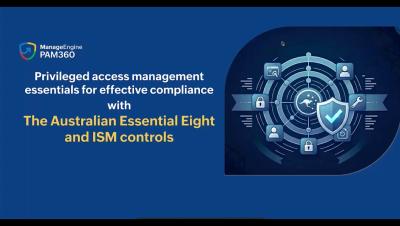
The Essential Eight: Australia's blueprint for cybersecurity

When the Australian Signals Directorate (ASD) reports that a cyberattack hits an Australian organisation every six minutes, it's clear we need more than crossed fingers and hope to protect our digital assets. That's where the Essential Eight comes in—Australia's homegrown cybersecurity framework that's helping organisations across the country build stronger defences against increasingly sophisticated threats.

Read receipt | #CybersecurityAwarenessMonth

We often acknowledge email read receipts from unknown senders just to keep our inbox clean. But that can get us into trouble. Watch episode 7 of the Little lessons in cybersecurity series as we walk you through the consequences of the same. Head to the link here for some more interesting takes on casual habits that invite cyberthreats.

What is Network Time Protocol (NTP)? How DDI Central simplifies NTP Server configuration

In a world built on data, timing is everything. From financial transactions and secure communications to troubleshooting complex network issues, the precise order of events is not just important—it's fundamental. A discrepancy of a few milliseconds can be the difference between a successful database write and data corruption, or a valid security certificate and a connection failure.

Personal Machines | #CybersecurityAwarenessMonth

This video is for all of you using your personal machines for work. It might be a favour, a quick call or just an email. You're overlooking something serious here, and the 4th episode of the Little Lessons in cybersecurity series deals with just that. Head to the link here for some more interesting takes on casual habits that invite cyberthreats.

The right to privacy should also apply to your online activity-no exceptions

Most of us already know we’re being tracked every time we go online—cookies this, permissions that. You’re basically forced to accept some level of tracking just to use the internet. The good news? There’s been plenty of pushback against what many rightly see as weak privacy safeguards—both from governments and the public. But for all the progress we’ve made, we’re still only scratching the surface. True online privacy is a long way off.