Security | Threat Detection | Cyberattacks | DevSecOps | Compliance

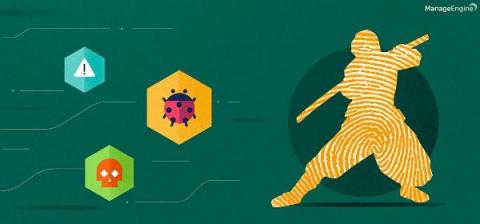
13 spooky security threats that happened in 2021

Alan is one of the senior officers of a financial bank in Texas. Alan was looking to buy a Halloween costume and got an email about a sale happening at a store near his neighborhood. He clicked on the email to learn more about the offer. In a few hours, his computer, which had critical high-profile customer files and details got infected by ransomware.

The rise of fintech: Unravelling the revolution transforming the financial landscape

The fintech world has recently been witnessing massive developments. From digital payment solutions to online banking applications, countries across the world have embraced and switched to these digital alternatives. And the COVID-19 pandemic has only boosted this transition further. What was once a cautious adoption of financial technologies has seen a meteoric rise as consumers, financial institutions, and regulators became more aware of the many benefits fintech has to offer.

The Colonial Pipeline hack uncovered: FBI- and CISA-recommended security measures

The Colonial Pipeline ransomware attack is potentially one of the worst cyberattacks to have happened this decade. A hacker group known as DarkSide stole nearly 100GB of data from the Colonial Pipeline servers before locking them down and demanding a ransom. Colonial Pipeline, with the assistance of FBI, paid around 5 million dollars to recover its systems. And it didn’t stop there.

Free Webinar | What's new in PAM360

Digital keys and certificates are an important category of non-human privileged identities that encrypt web communications and facilitate identification and authorization of users to privileged systems. The latest version of PAM360 brings a plethora of digital key and certificate management capabilities to the table that help IT administrators track and automate the entire life cycle of digital identities from a single pane of glass.

Shared iPads at work: How MDM helps you get the most out of them

Many organizations allow their corporate devices to be shared by different employees, or hand them out to teams or departments on a rotating basis. Healthcare providers, logistics companies, retailers, and schools often deploy mobile devices that are shared to ease the device management process, cut down on inventory costs, solve issues arising from workspace changes, and efficiently manage contract employees and students.

Watch out for tenants living off your land

The cyberworld has witnessed and defended against several forms of attacks. Some of the most common ones known to disrupt a network include credential stealing, malware installations, worms and viruses, and insider threats. In order to execute these attacks successfully, attackers often use different tools and techniques. For instance, in a ransomware attack, an attacker may install malicious software to encrypt all the files and folders in your network and demand a ransom to recover the files.