CTI Roundup: Business Email Compromise Groups Go Global
BEC groups target companies worldwide, RedEyes hackers use new malware to steal data, and Devs targeted by W4SP Stealer malware in malicious PyPI packages.
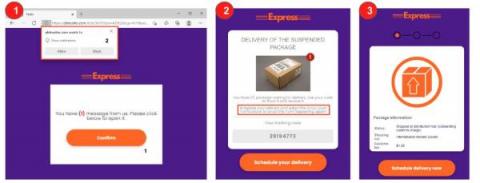
Unless you’ve been avoiding your inbox like a cybercriminal avoids sunlight, you’ve probably seen something like this before: That right there is a classic example of a phishing email. Most security-aware individuals can spot a phishing email from a mile away. In the past, it used to be the misspellings, such as in this email, that gave it away. Now, misspellings and poor grammar aren’t ideal indicators of phishing attempts.
Social engineering cyberattacks play on the mind, manipulating emotions and engaging in deception to get victims to give up passwords, financial data, and other valuable information. According to Verizon's 2022 Data Breach Investigations Report (DBIR), eight in 10 data breaches (82%) involve a human element. Alongside breaches caused by human error and malicious actions, this statistic also includes social engineering attacks.
Mail filters play a huge role in protecting organizations from cyberattacks. Even though their task is quite small, they are very important for an organization’s ability to deter many malicious phishing and spam emails before delivery to a person’s inbox. According to the IBM X-Force Threat Intelligence Index, 40% of attacks in the manufacturing industry are phishing attacks, and 1 in 3 employees are most likely to fall for a phishing scam.
Read also: Russian cybercriminal convicted in $90M hack-and-trade scheme, US and UK slap sanctions on 7 Russians tied to TrickBot cybercrime gang, and more.
Everyone knows what phishing is. It has been around for more than two decades. Now it seems that phishing is more accessible than before. This blog covers how malicious actors can benefit from the rise of subscription models of phishing, or “Phishing as a Service.”
Here are some of the most common email security threats you need to be aware of in 2023: Here are some common examples of phishing scams: It’s important to be cautious when receiving emails, especially if they contain requests for personal information or ask you to click on a link. Always verify the sender and the authenticity of the email before providing any information or clicking on a link.
Here are some of the most common BEC threats that businesses need to be aware of: To protect against these and other BEC threats, it’s important for businesses to take the following steps: In conclusion, BEC attacks are a growing threat to businesses of all sizes. To protect against these attacks, it’s important to be aware of the dangers and to take proactive measures to secure your email accounts.
Here are some of the most concerning emerging cyber security attacks and threats.