Security | Threat Detection | Cyberattacks | DevSecOps | Compliance

Simple Steps to Avoid Phishing Attacks During This Festive season

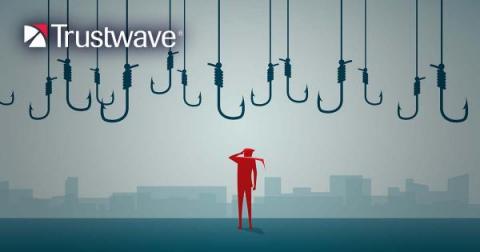
There’s usually a surge in online activities during festive periods. People place gift orders and send funds to loved ones, and organizations roll out offers that reflect the spirit of the festivity. Threat actors will usually take advantage of this activity to sneak past your defenses. By convincingly impersonating any of these legitimate offers, they can gain access to an organization's network, and wreak havoc.

BEC Attackers Switch Tactics Using Phishing Emails to Steal Merchandise

Cybercriminals who use Business Email Compromise (BEC) attacks are switching up their tactics, with some groups now targeting actual merchandise instead of money in their phishing attacks. Trustwave’s email security solution MailMarshal is aware of and investigating this new methodology. MailMarshal is capable of defending an organization against BEC attacks. This Federal Bureau of Investigation (FBI), the Food and Drug Administration Office of Criminal Investigations (FDA OCI), and the U.S.

Sponsored Post

Phishing Alert: How to Identify and Avoid Phishing Attacks

Phishing is a type of attack that attempts to steal your personal information, such as your login credentials or credit card details. Cybercriminals use phishing attacks to gain access to your account and steal your data. In this blog post, we will discuss how to identify and avoid phishing attacks. We will also provide tips on how to protect yourself from these types of attacks.

Meta-Phish: Facebook Infrastructure Used in Phishing Attack Chain

Meta has two of the largest social media platforms today, Facebook and Instagram. These platforms became the modern gateway for people not just to socialize and eavesdrop on the lives of famous personalities, but more importantly, to stay connected with their friends and loved ones. The sites also became effective channels for organizations to advertise and disseminate information.

Phishing Attacks: A Summary of Phishing In All Its Forms

A phishing attack is a fraudulent email pretending to be from a safe, familiar, or reliable source intended to induce the email recipient to reveal personal information such as financial information, personally identifiable information (PII), Passwords, or credit and bank account numbers to the writer.

Going Mobile: BEC Attacks Are Moving Beyond Email

Recently, we’ve noticed an increase in user reports of SMS-based Business Email Compromise (BEC) messages. This seems to be part of a wider trend as phishing scams via text messages surge. The Federal Communications Commission (FCC) observed an increase in unsolicited text messages, with 2022 practically tripling the number of phishing texts reported to the FCC in 2019. Phishing scams are prevalent in the SMS threat landscape, and now, BEC attacks are also going mobile.

Quick Tips for Email Security

Email is embedded into the everyday lives of U.S. adults. For starters, the average person receives over 100 emails a day. To sort through all of that, workers spend an average of five hours a day checking their email. With this communication tool demanding so much of our attention, it’s no wonder cybercriminals use it as a preferred method for carrying out major attacks.

'Tis the Season for Online Shopping and Phishing Scams

The 2022 holiday shopping season is here. Retailers’ discounts are kicking off early, and shoppers are eager to spend, especially with big price markdowns to come as the season progresses. And with the COVID-19 pandemic still a concern to shoppers, more people are expected to shop online this season. What this also means is that as consumers whip themselves into a shopping frenzy, cybercriminals have activated their seasonal scams to try and steal money or personal information.

Email encryption - the ultimate guide in 2023

Enterprise email encryption is a must-have security tool for anyone who wants to safeguard data that’s in transit. The truth is, there are numerous types and technologies available to help you with this, but what you need for your business ultimately depends on how seriously you want to take the protection of your own, and your clients’ or customers’ data.