CrowdStrike is expanding the capabilities of CrowdStrike Falcon Data Protection and introducing a new offering, SaaS Threat Services, enabling security teams to protect sensitive data across endpoints, cloud environments, and GenAI and SaaS applications. Today’s adversaries are targeting data wherever it resides. As GenAI adoption accelerates, misconfigured applications and unsecured usage create new vectors for data exposure.
AI Took Off. We’re Launching the Controls. Discover how Cyberhaven is rewriting the rules of AI data security. Our newest innovation is too big to call a feature — it’s a new frontier. AI changed everything... fast. Productivity soared, but so did risk. Employees embraced AI, and data raced across tools without oversight. The question isn’t if your organization is using AI — it’s how much risk it’s exposing in the process.
AI is transforming productivity across every industry—from marketing and design to legal and engineering. But while employees rush to embrace tools like ChatGPT, Gemini, and Microsoft Copilot, many are using other tools without oversight from IT or security. As this grassroots usage grows, so does the volume—and sensitivity—of data flowing into AI tools.
Data protection is no longer a luxury; it's essential for business survival. Coworking spaces have evolved beyond simply offering desks and coffee as more companies embrace flexible work arrangements. Many now provide sophisticated security infrastructure that rivals traditional corporate offices.
In my previous blog, I covered the essentials of data sovereignty as a data protection concern for security professionals across domains. Data protection and digital trust will be paramount in the future due to data sovereignty and regulatory compliance mandates. As the Internet of Things (IoT) expands exponentially, the resultant security and privacy risk nexus further requires a holistic approach to data protection centered on both personal and enterprise data protection strategies.
Analysis covering 7 million workers finds 71.7% of AI tools used in workplaces are high or critical risk, with 83.8% of enterprise data flowing to these unsecured platforms.
Law firms manage a vast amount of sensitive information, from merger deals and criminal evidence to intellectual property and personal data, making them prime targets for hackers and malicious insiders. Security breaches can lead to reputational losses, remediation costs, and penalties. That’s why strict IT requirements regulate cybersecurity for law firms.
As AI becomes deeply integrated into critical business operations and adopted by increasing numbers of departments and employees, the volume and sensitivity of data flowing into these systems has grown exponentially. Companies now face a dual challenge: harnessing AI's potential while managing the substantial data risks it introduces.
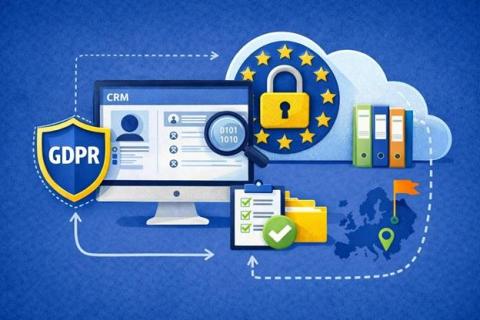
Data and proactive insights garnered therein are vital strategic assets in the modern digital era. Amidst this backdrop, global regulations notably starting with the European Union (EU) Global Data Protection Regulation (GDPR) have become the vanguard to: It’s important to note too, that data sovereignty enables individual ownership of data and supports individuals to fully control how it is used while assuring that their data is protected in compliance with local regulations.