Security | Threat Detection | Cyberattacks | DevSecOps | Compliance



SOAR is Dead. Why HYPERAUTOMATION is What's Next.

Build APIs with Tines
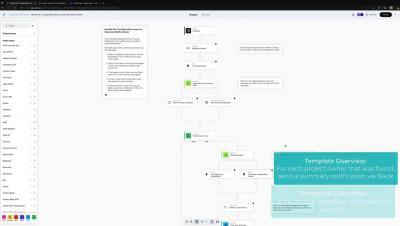
Today, we’re announcing the ability to build APIs with Tines. Now you can create powerful workflows by connecting more tools and processes together - all without any code at all.
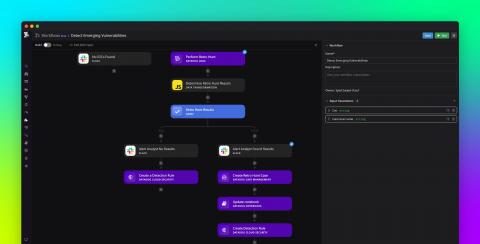
Automate common security tasks and stay ahead of threats with Datadog Workflows and Cloud SIEM
Detecting and remediating security threats is a constantly evolving concern for modern DevSecOps and security operations center (SOC) teams. Moreover, manually investigating and responding to vulnerabilities and threats is time-consuming, laborious, and knowledge-intensive.

Inevitable security incidents: The Unavoidable Reality
Incidents are an inevitable part of security, no matter how airtight your processes and systems are or how small your company is. Organizations saw a 125% increase in incidents from 2020 to 2021. Despite the tremendous amount of investments in security by major companies such as Uber, Okta, Microsoft, FireEye, and even the US Government over the past half-decade or so – they have all been successfully targeted by cyber attackers.
Oracle's Arthur Barnes: The evolution of cybersecurity and solving the challenge of hiring the right team
In this episode of the Future of Security Operations podcast, Thomas interviews Arthur Barnes, Senior Director of Security Operations at Oracle – the world’s largest database management company. Arthur is an experienced cybersecurity leader with 20 years of experience, having previously worked at Pearson, Dell, and M&S.

What's new in Tines: April Edition
Integrate your Tines workflows in more places by enabling the response data switch via send to story. This makes it possible for an HTTP request that initiates a story run to receive event data back from the completed story run. Get started by reading the docs.

Automated certificate assessments now possible
We know that managing SSL/TLS certificates across hundreds – or even thousands – of Internet-facing assets is often a manual job for most security teams. Certificates that have expired, for example, offer an excellent opportunity for malicious actors to execute a variety of hacks (in some instances, even a MITM attack) and can also put sites at risk of becoming inaccessible. We’re excited to share that automated SSL/TLS certificate assessments are now a part of Surface Monitoring.

How to use the Microsoft Graph API for email
Security teams are using automation solutions more and more to achieve consistent and faster response times. Some of these responses require emails to be sent to various users or groups, and traditional methods of sending emails are outdated and not very secure. Security teams also need the ability to read emails from specific mailboxes, whether that is for automating responses to phishing submissions or something similar.